
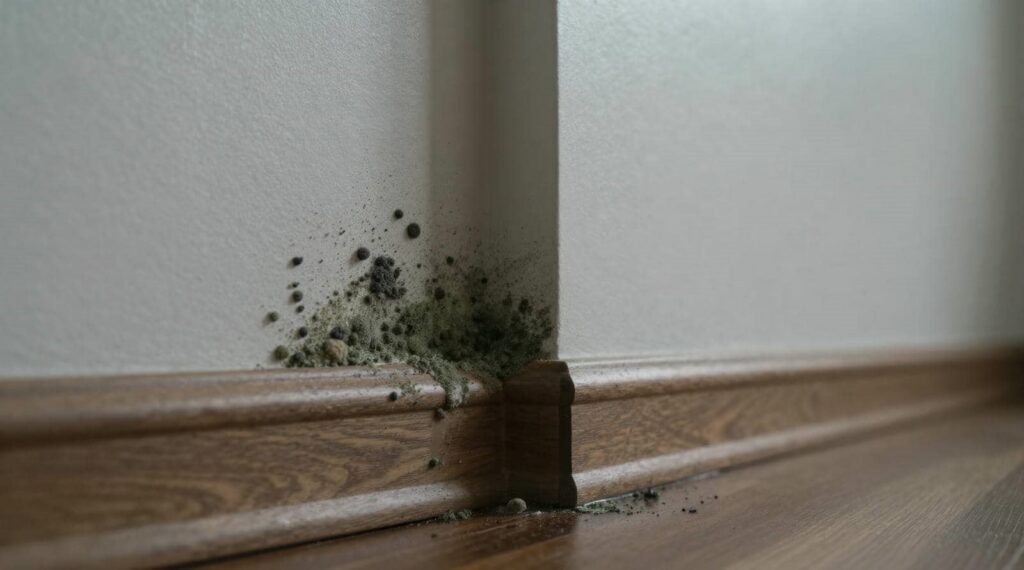
It’s often said that ignoring mold after water damage can lead to serious health issues. While this theory holds weight, understanding the correct steps for effective cleanup is essential to mitigate risks. You’ll need to act quickly and methodically to ensure your space is safe. The following tips will guide you through the process, from initial recognition to prevention, making certain you address mold efficiently and effectively.
Key Takeaways
- Wear protective gear, including gloves, goggles, and an N95 respirator, to safeguard against mold spores during cleanup.
- Identify the type of mold present to choose the most effective cleaning solution for removal.
- Contain the affected area to prevent mold spores from spreading during the cleaning process.
- Use appropriate cleaning agents, like bleach or enzyme-based cleaners, to effectively eliminate mold from surfaces.
- Address moisture issues promptly and maintain humidity levels between 30% and 60% to prevent future mold growth.
Recognizing Mold: Early Signs After Water Damage
When you experience water damage, it’s crucial to recognize the early signs of mold growth, as it can develop quickly in damp environments.
Familiarize yourself with effective mold identification techniques, such as inspecting for discoloration on walls or ceilings and a musty odor.
Pay attention to any increased allergy symptoms among occupants, as these can indicate the health effects of mold exposure.
Check hidden areas like basements or behind appliances, where moisture tends to accumulate unnoticed.
Be proactive—address leaks and increase ventilation to mitigate mold growth risks.
Understanding these signs helps you act promptly, ensuring a healthier living environment for you and your loved ones.
Awareness is key to preventing more significant issues down the road.
Essential Cleaning Supplies for Mold Cleanup
When tackling mold cleanup, having the right protective gear is essential to ensure your safety.
You’ll also need effective cleaning agents specifically designed to eliminate mold and prevent its return.
Understanding these essentials will equip you for a successful mold remediation process.
Protective Gear Necessities
Mold cleanup requires proper protective gear to secure your safety and effectiveness during the process.
First, focus on glove selection. Choose nitrile or rubber gloves that are puncture-resistant and provide a good barrier against mold spores. Make certain they fit well to maintain dexterity while working.
Next, consider mask types. N95 respirators are ideal as they filter out small particles, including mold spores. If you’re dealing with extensive mold, a half-mask or full-face respirator may offer better protection.
Lastly, don’t forget protective eyewear and clothing to shield yourself from mold exposure and contamination.
Cleaning Agents Overview
After confirming you’re equipped with the right protective gear, it’s time to focus on the cleaning agents necessary for mold remediation.
You’ll want to choose agents that effectively combat mold while being safe for your environment. Here’s a quick overview of essential cleaning supplies:
Chemical Agents: These include bleach and hydrogen peroxide, effective for hard surfaces.
Biological Agents: Enzyme-based cleaners break down mold at the source, providing a less toxic alternative.
Detergents: Use a heavy-duty detergent to scrub porous materials like fabric or wood.
Disinfectants: After cleaning, apply a disinfectant to prevent mold from returning.
Select the right agents to ensure a thorough cleanup and a healthier living space.
Don’t Forget Your Protective Gear for Mold Cleanup
Cleaning mold requires more than just determination; it involves ensuring your safety with the right protective gear.
When tackling mold cleanup, you must wear gloves, goggles, and an N95 respirator mask to shield yourself from harmful mold spores. These spores can trigger allergic reactions and respiratory issues, so safety precautions are essential.
Make sure your clothing covers your skin fully and consider using disposable overalls for added protection. It’s also wise to set up a containment area to minimize the spread of spores during your cleanup.
Top Strategies for Effective Mold Removal
When dealing with mold removal, it’s essential to employ effective strategies to ensure thorough remediation.
Understanding mold types and applying the right cleanup techniques can make a significant difference. Here are four strategies you should consider:
Identify the Mold Type: Different mold types require specific treatments. Knowing what you’re dealing with helps in selecting the right approach.
Contain the Area: Seal off affected spaces to prevent mold spores from spreading during cleanup.
Use Appropriate Cleaning Solutions: Choose solutions that are effective against the specific mold types present.
Ensure Proper Disposal: Safely discard materials contaminated by mold to prevent re-infestation.
Drying and Dehumidifying for Effective Mold Removal
Effective mold removal doesn’t stop at identifying the type and employing cleaning strategies; it also hinges on proper drying and dehumidifying techniques.
To ensure thorough removal, use effective drying techniques such as air movers and fans to circulate air. Aim to dry affected areas within 24-48 hours.
Adjust your dehumidifier settings to maintain indoor humidity below 60%, which inhibits mold growth. Regularly check moisture levels using a hygrometer to gauge your progress.
For persistent moisture, consider professional-grade dehumidifiers that can handle larger spaces.
Preventing Future Mold Growth After Water Damage
To prevent future mold growth after water damage, you need to implement a proactive maintenance routine.
Regular inspections can help you identify potential issues early, while controlling indoor humidity levels is essential for mold prevention.
Additionally, using mold-resistant products in vulnerable areas can provide an extra layer of protection.
Regular Inspections And Maintenance
Regular inspections and maintenance are crucial for preventing future mold growth after water damage, as they allow you to identify potential issues before they escalate.
Establishing a consistent maintenance schedule is essential. Here are the key steps to follow:
Conduct regular mold inspections in areas prone to moisture.
Check gutters and downspouts to ensure water is diverted away from your property.
Inspect plumbing fixtures for leaks or signs of water damage.
Review your HVAC system, making sure it’s clean and functioning properly.
Control Indoor Humidity Levels
Controlling indoor humidity levels plays an essential role in preventing future mold growth after water damage. To achieve effective humidity control, aim to maintain indoor humidity between 30% and 60%.
Use dehumidifiers in damp areas and ensure proper ventilation in bathrooms and kitchens. Regularly check and repair any leaks in pipes or roofs, as moisture management is critical in keeping humidity levels down.
You can also utilize exhaust fans while cooking or showering, which helps to expel excess moisture. Be proactive in monitoring humidity levels with a hygrometer, and take action when necessary.
Use Mold-Resistant Products
When you’re looking to prevent future mold growth after water damage, using mold-resistant products is a smart strategy.
These products create a barrier against moisture, considerably reducing the chances of mold reappearing.
Here are some essential mold-resistant options to take into account:
Mold Resistant Paints: These specialized paints contain antimicrobial agents that inhibit mold growth.
Mold-Resistant Drywall: Using this type of drywall can help prevent moisture absorption, making it less conducive to mold.
Mold Resistant Insulation: Opt for insulation designed to resist mold, especially in moisture-prone areas.
Mold Resistant Caulking: Seal gaps and joints with mold-resistant caulking to block moisture entry.
When to Contact Professionals for Mold Remediation?
How can you tell if it’s time to call in the experts for mold remediation? If you notice extensive mold growth, particularly beyond 10 square feet, it’s essential to seek professional services.
An effective mold inspection can identify hidden mold, especially in areas like walls, ceilings, or under flooring.
Additionally, if anyone in your household experiences health issues, such as respiratory problems or allergic reactions, it’s a strong indicator that you should consult professionals.
Mold can pose serious health risks, and professionals have the tools and expertise to handle it safely.
Don’t wait until the situation worsens; early intervention can save you time and money, ensuring your home remains safe and healthy for everyone.
Frequently Asked Questions
Can I Use Bleach to Clean Mold After Water Damage?
You can use bleach for mold removal, but its effectiveness varies. While it kills surface mold, it doesn’t penetrate porous materials. For best results, combine bleach with proper ventilation and safety precautions during cleaning.
How Long Does It Take for Mold to Develop After Water Exposure?
Mold can start developing within 24 to 48 hours after water exposure, depending on environmental conditions. Understanding this mold growth timeline helps you take proactive measures against water exposure effects in your home.
Is It Safe to Stay in My Home During Mold Cleanup?
It’s generally unsafe to stay in your home during mold cleanup, as people can be sensitive to mold exposure, leading to potential health risks. Prioritize your safety by finding alternate accommodations during the process.
What Types of Surfaces Are Most Susceptible to Mold Growth?
Wood materials and carpet fibers are highly susceptible to mold growth due to their porous nature. These surfaces retain moisture easily, creating an ideal environment for mold to thrive if not properly maintained.
How Can I Tell if Mold Is Completely Removed?
You can confirm mold’s removal through mold testing and monitoring air quality. If test results show no spores and air quality meets standards, you’ve likely eliminated the mold effectively, ensuring a safer environment for everyone.
Recap
Cleaning mold after water damage might seem intimidating, but you can effectively tackle it with the right approach. While you might feel overwhelmed by the task, remember that taking immediate action is key to preventing further issues. By following the outlined tips, you’ll remove existing mold and safeguard your home against future growth. Don’t hesitate to reach out for professional help if the situation feels beyond your control—it’s a smart investment in your home’s health.