
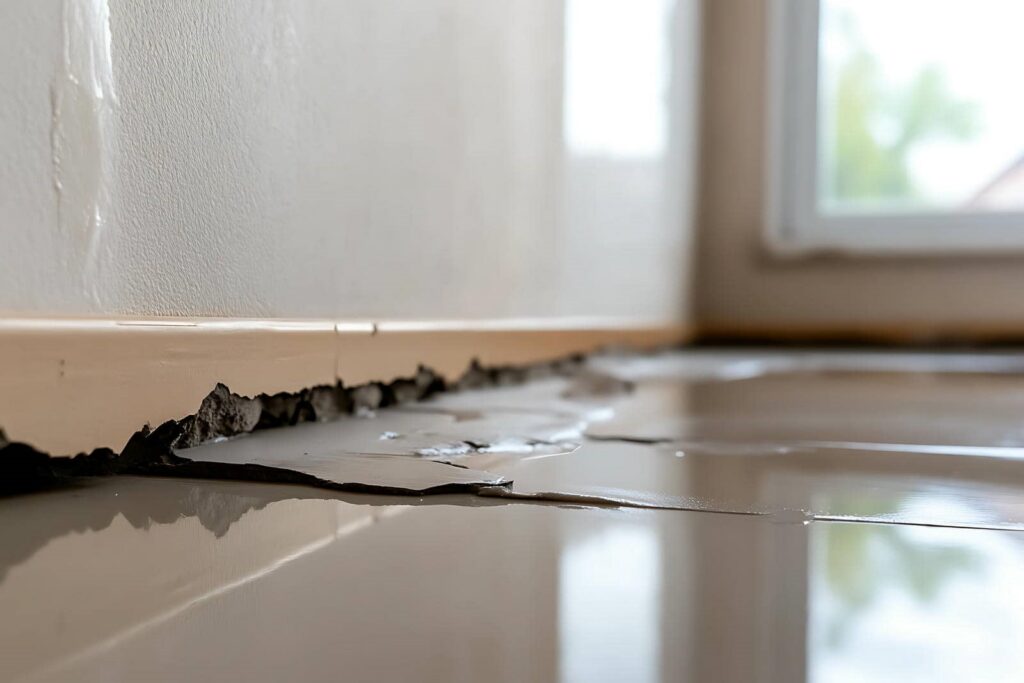
When faced with emergency water damage, it’s vital to follow a structured checklist to guarantee thorough inspection and mitigation. Start by pinpointing the source of the water intrusion, as understanding the cause will shape your response. Next, assess the extent of the damage and identify all affected areas. Monitoring for health risks, like mold growth, is essential. The steps you take now can greatly impact the restoration process. What comes next could change everything.
Key Takeaways
- Identify the source of water intrusion, such as heavy rainfall or plumbing failures, to prevent further damage.
- Assess the extent of the water damage by checking moisture levels in walls, floors, and ceilings.
- Document all damage thoroughly, noting visible stains and taking photos for reference and insurance claims.
- Be aware of health risks, including mold growth and pathogens, especially in damp areas or stagnant water.
- Implement immediate mitigation actions by shutting off the water supply and using pumps to remove standing water.
Identify the Source of Water Damage: Common Causes
When you face water damage, identifying the source is essential for effective remediation. Start by examining common flood origins, such as heavy rainfall or melting snow, which can overwhelm drainage systems.
Next, consider plumbing failures, like burst pipes or leaky fixtures, that might lead to hidden moisture accumulation. Look for signs of water pooling around appliances or under sinks, as these can be indicators of ongoing issues.
Don’t forget to inspect your roof and gutters; blockages can cause water to seep into your home. By methodically evaluating these potential sources, you can effectively address the problem, preventing further damage and ensuring a safe, dry environment for you and your loved ones.
Assess the Extent of Water Infiltration
After identifying the source of water damage, it’s essential to assess the extent of water infiltration. Start by checking the water levels in affected areas; this will help you understand how far the damage has spread.
Use moisture mapping tools to pinpoint areas with high humidity and moisture content. Focus on walls, floors, and ceilings, as water can travel and hide in unexpected places. Pay attention to any discoloration or warping, which can indicate deeper issues.
Record Damage and Identify Affected Areas
As you document the damage, it’s crucial to methodically identify all affected areas to guarantee nothing is overlooked.
Start by walking through each room, noting visible water stains, warped walls, or damaged flooring. Use a notepad or digital device for precise damage documentation, ensuring you capture the extent and location of the issues.
Pay close attention to affected materials such as drywall, insulation, and wooden structures, as these may require different remediation approaches.
Also, take photos to support your records, providing visual evidence for future reference.
Watch Out for Health Risks From Water Damage
Documenting the damage is just the first step; understanding the potential health risks that arise from water damage is equally important.
Water intrusion can lead to mold growth, which poses serious respiratory health risks. If you detect musty odors or visible mold, act promptly, as mold can spread rapidly within 24 to 48 hours.
Additionally, prolonged exposure to damp environments can compromise your home’s structural integrity, leading to unsafe living conditions. Pay attention to areas with stagnant water, as they can harbor harmful bacteria and pathogens.
Regular inspections can help mitigate these risks. By staying vigilant and addressing water damage promptly, you protect not just your property but also the well-being of everyone in your home.
Plan for Immediate Water Mitigation Actions
When water damage occurs, swift action is crucial to minimize its impact and prevent further complications. Start your emergency response by identifying the source of the water intrusion.
Next, implement effective mitigation strategies, such as shutting off the main water supply and using pumps or wet vacuums to remove standing water. Confirm proper ventilation to facilitate drying, utilizing fans and dehumidifiers as necessary.
Assess affected materials; remove and discard anything that shows signs of mold or severe damage. Document the damage thoroughly with photos for insurance purposes.
Finally, communicate with professionals who specialize in water damage restoration. By taking these immediate steps, you not only protect your property but also foster a sense of community and support through shared experiences.
Frequently Asked Questions
How Long Does It Take for Mold to Develop After Water Damage?
Mold growth typically starts within 24 to 48 hours of water exposure. To prevent serious issues, you should act quickly by drying the affected area and addressing moisture sources immediately. Time is essential in these situations.
What Are the Signs of Hidden Water Damage in My Home?
Look for damp walls and discoloration, which indicate hidden water damage. Check for leaky pipes and soft spots in drywall. These signs suggest moisture accumulation, requiring immediate attention to prevent further damage and mold growth.
Should I File an Insurance Claim for Minor Water Damage?
When it comes to filing an insurance claim for minor water damage, you should consider your insurance policy carefully. Weigh the claim process against potential costs, ensuring it’s worth your while to proceed.
Can I Handle Water Damage Cleanup Myself?
You can handle water damage cleanup yourself if it’s minor. Follow these cleanup tips: assess the damage, remove excess water, dry affected areas thoroughly, and prevent mold growth. Always prioritize safety and guarantee proper ventilation.
What Tools Are Essential for Inspecting Water Damage?
You’ll need a moisture meter to measure dampness levels accurately, along with thermal imaging tools to detect hidden water damage. These instruments help you assess the situation effectively, ensuring you address all problem areas thoroughly.
Summary
As you navigate the aftermath of water damage, think of yourself as a skilled captain steering your ship through turbulent waters. By diligently identifying the source, evaluating the extent, and documenting the damage, you’re charting a course to safety. Stay vigilant against lurking health risks, and let the winds of proper ventilation guide you toward recovery. With each step, you’re not just repairing your home; you’re reclaiming your sanctuary from the storm, ensuring it remains a haven for all who dwell within.