
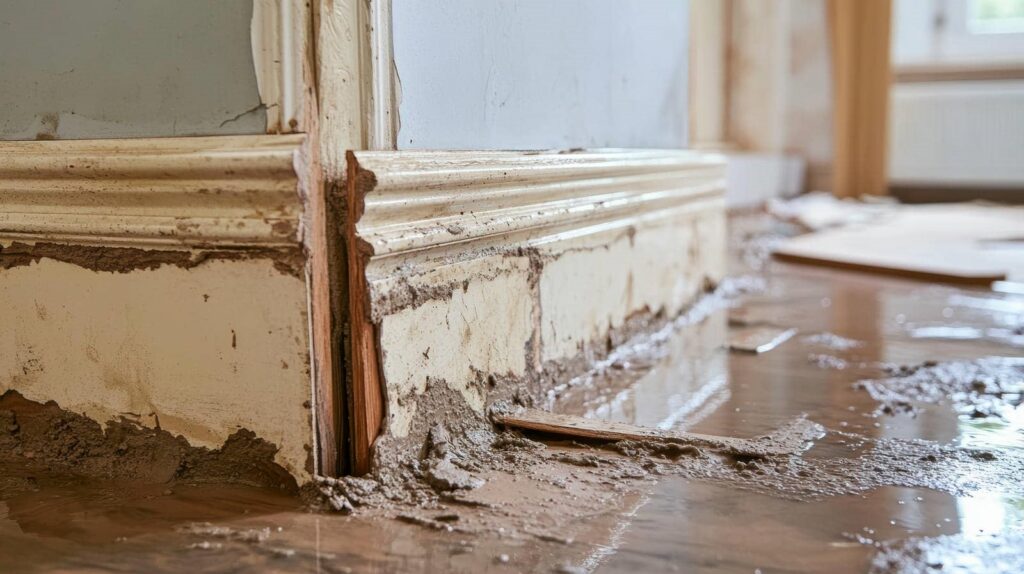
When it comes to protecting your home from water damage, having a detailed water damage inspection checklist is essential. You’ll want to methodically assess critical areas like plumbing fixtures, roofs, and basements for signs of leaks. It’s equally important to check walls and ceilings for discoloration or mold growth. By following a structured approach, you can identify potential issues before they escalate. But what specific elements should be included to guarantee thorough coverage?
Key Takeaways
- Inspect plumbing fixtures for leaks, ensuring faucets and hoses are sealed and functioning properly.
- Check for discoloration, peeling paint, or mold growth on walls and ceilings as indicators of moisture.
- Examine roofs for vulnerabilities, ensuring gutters are clear and shingles are intact to prevent water intrusion.
- Document any visible damage with photographs and detailed notes for insurance claims and future reference.
- Regularly monitor appliances, like washing machines and dishwashers, for leaks and unusual noises suggesting potential issues.
Why You Need a Water Damage Inspection Checklist
When you face potential water damage, having a detailed inspection checklist is essential to guarantee no aspect of the problem goes overlooked.
The significance of inspections can’t be overstated diligently checking all areas helps identify hidden issues that could escalate if ignored. A thorough checklist benefits you by providing a structured approach, ensuring consistency every time you inspect.
You’ll cover critical areas like plumbing, walls, and ceilings, minimizing the risk of overlooking crucial signs. This methodical strategy fosters a sense of community among homeowners who understand the value of proactive measures.
Identifying Signs of Water Damage in Your Home
Water damage can manifest in various ways, often leaving subtle clues that require careful observation.
Start by checking for water damage indicators such as discoloration on walls or ceilings, which may signal hidden moisture. Peeling paint or wallpaper is another sign that moisture is present, potentially compromising your home’s structure.
Use moisture detection tools, like a hygrometer, to measure humidity levels in different areas. Don’t forget to inspect floors for buckling or warping, as these can indicate underlying water issues.
Look for musty odors as well, which often accompany hidden leaks. By being methodical in your approach, you’ll foster a sense of belonging in your home, ensuring it remains a safe and inviting space for you and your loved ones.
How to Identify Sources of Moisture and Leaks
To effectively find sources of moisture and leaks, you need to start by examining common areas prone to water intrusion, such as plumbing fixtures, roofs, and basements.
Look for visible indicators like stains, mold growth, or dampness on walls and ceilings, which can reveal underlying issues.
Common Moisture Sources
Identifying common moisture sources is essential for preventing water damage in your property. Start by checking areas prone to plumbing issues, such as under sinks, behind toilets, and around water heaters.
Inspect your roof for vulnerabilities, particularly if you live in regions with flood risks; even small leaks can lead to significant damage over time. Pay attention to windows and doors, as poor seals can allow moisture to seep in.
Don’t overlook the basement or crawl space, where condensation can accumulate, especially in humid climates. By methodically evaluating these areas, you can pinpoint potential moisture sources before they escalate into costly repairs.
Taking proactive steps will safeguard your home and create a comfortable living environment for you and your loved ones.
Visible Leak Indicators
Visible leak indicators serve as essential signals that moisture issues may be lurking in your property.
Start your leak detection process by inspecting areas around plumbing fixtures, such as sinks, toilets, and water heaters. Look for water stains, discoloration, or peeling paint, which often point to underlying leaks.
Don’t overlook ceilings and walls, as they can reveal signs of moisture assessment through sagging or bulging. Check for mold growth in hidden corners, as this can also signify excessive moisture.
Additionally, inspect your roof and foundation for cracked surfaces or missing shingles.
Inspecting Affected Areas for Water Damage
When inspecting affected areas for water damage, start by identifying visible water stains on walls, ceilings, and floors.
These stains can indicate ongoing or previous leaks that need immediate attention.
Next, check for any mold growth, as this can signify excess moisture and pose health risks.
Identify Visible Water Stains
To effectively assess potential water damage, you should first examine areas where water stains may appear, as these marks can indicate underlying issues.
Pay close attention to common water stain locations like ceilings, walls, and around windows. Conduct a stain color analysis to determine the age and source of the water intrusion.
- Look for yellow or brown stains, which may indicate long-term leaks.
- Check for darker stains, suggesting recent water exposure.
- Observe any peeling paint or bubbling wallpaper, as these can signal moisture problems.
Check for Mold Growth
Mold growth is a serious concern that can arise from water damage, so it’s vital to inspect affected areas thoroughly.
Start by checking hidden spots like behind walls, under sinks, and in attics where moisture can accumulate unnoticed. Look for discoloration, musty odors, or any visible mold.
If you suspect mold, act quickly—timely mold remediation is imperative for health and safety.
Consider using moisture control measures, such as dehumidifiers and proper ventilation, to prevent future growth.
Document your findings and consult with professionals if necessary.
Check for Structural Damage From Water
One critical aspect of evaluating water damage is checking for structural damage, which can compromise the integrity of your home.
When you’ve experienced water exposure, it’s vital to methodically inspect various components of your property. Look for signs that may indicate structural compromise.
- Examine beams and joists for warping or sagging.
- Inspect drywall for bulging or soft spots.
- Check the foundation for cracks or shifting.
Addressing structural damage promptly can prevent further issues and guarantee your home remains safe and stable.
Remember, thorough inspections not only protect your investment but also provide peace of mind for you and your loved ones.
Don’t overlook this critical step in maintaining your home’s structural integrity.
Documenting Water Damage for Insurance Claims
After evaluating structural damage, the next step involves documenting the water damage for insurance claims.
Begin by taking detailed photographs of affected areas, ensuring you capture both the extent of the damage and any visible mold. Make a list of damaged items, including their estimated value, and include receipts if available. This insurance documentation will strengthen your claim during the claim process.
Record the date of the incident and the response actions taken, such as cleanup efforts. If applicable, note any conversations with your insurance adjuster or contractors.
This organized approach not only aids in filing your claim but also fosters a sense of community support, as you’re taking proactive steps to restore your home and peace of mind.
Why You Might Want a Pro for Water Damage Assessments
Since water damage can often go unnoticed until it becomes severe, hiring a professional for assessments can be essential. A professional assessment guarantees that hidden issues are identified early, mitigating further damage to your home.
Experts use advanced tools and techniques for accurate evaluations, providing you peace of mind.
- They can detect moisture levels that aren’t visible to the naked eye.
- Professionals offer thorough reports detailing the extent of the damage.
- Their expertise helps you navigate insurance claims effectively.
Preventing Future Water Damage in Your Home
While water damage can often seem inevitable, taking proactive steps can greatly reduce your risk.
Start by inspecting and maintaining your drainage systems regularly. Make sure they’re free of debris and functioning correctly to channel water away from your home.
Consider investing in waterproofing solutions for your basement and foundation; this can substantially mitigate moisture intrusion.
Seal any cracks or gaps in walls and around windows to create a tight barrier against potential leaks.
Additionally, monitor your plumbing for signs of wear and tear, addressing any issues promptly.
Create Your Personalized Water Damage Inspection Checklist
A thorough water damage inspection checklist is essential for safeguarding your home against moisture-related issues.
To create your personalized checklist, focus on key areas where water damage commonly occurs. This methodical approach helps you stay proactive and protect your living space.
Consider including these items:
- Inspect roof and gutters for leaks and blockages.
- Check plumbing fixtures and appliances for signs of wear.
- Examine walls and floors for stains or mold growth.
Frequently Asked Questions
How Often Should I Conduct a Water Damage Inspection?
You should conduct water damage inspections regularly, ideally every six months. Following frequency guidelines guarantees you catch potential issues early. Adjust inspection intervals based on your property’s age, climate, and previous damage history for maximum protection.
What Tools Do I Need for a Thorough Inspection?
You’ll need a moisture meter to detect hidden dampness lurking beneath surfaces and an infrared camera to visualize temperature variations, revealing water intrusion. Equip yourself with these tools for a precise, thorough inspection that fosters community safety.
Can I Perform a Water Damage Inspection Alone?
Yes, you can perform a DIY inspection, but prioritize safety precautions. Use protective gear, check for structural integrity, and methodically assess areas prone to moisture. This way, you guarantee a thorough and safe evaluation.
What Are Common Mistakes During a Water Damage Inspection?
When you inspect for water damage, don’t let the details slip through your fingers. Common mistakes include overlooking signs of moisture and improper documentation, which can lead to costly misunderstandings down the line. Stay vigilant!
How Long Does a Typical Water Damage Inspection Take?
A typical water damage inspection takes about one to three hours. Inspection duration varies based on factors like the property’s size, damage extent, and moisture detection methods. Your thorough approach guarantees accurate assessments and effective solutions.
To Um Up
Staying vigilant with your water damage inspection checklist is essential to safeguarding your home. Like a diligent detective, you’ll uncover hidden leaks and moisture issues before they wreak havoc. By regularly inspecting key areas and documenting your findings, you not only protect your property but also prevent costly repairs down the line. Remember, a stitch in time saves nine take proactive steps now to guarantee a dry, safe haven for you and your family.