
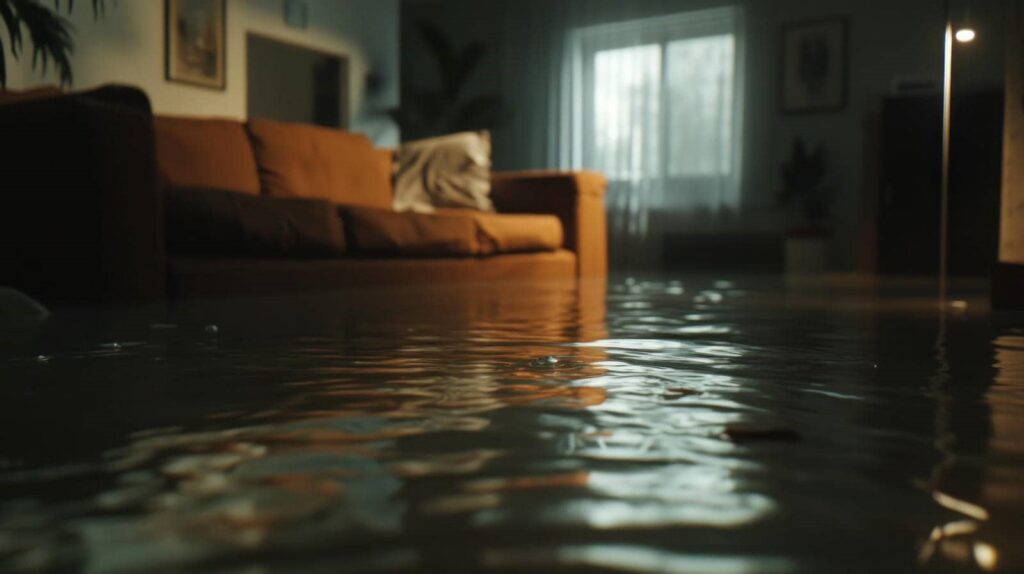
When faced with water damage, time isn’t just a factor; it’s critical. You need to act quickly to minimize the potential destruction and health risks. Start by evaluating the damage and understanding what you’re dealing with. This initial evaluation sets the stage for an effective cleanup strategy. With the right approach, you can mitigate further issues—let’s explore five essential tips that will guide you through this challenging process.
Key Takeaways
- Act quickly to minimize damage, addressing water sources immediately to prevent mold growth and structural issues.
- Assess affected areas thoroughly, documenting damage and using moisture meters to find hidden moisture.
- Prioritize safety by wearing protective gear, ensuring proper ventilation, and turning off electricity in affected areas.
- Utilize effective tools like water extraction pumps, industrial fans, and dehumidifiers for efficient cleanup and drying.
- After cleanup, sanitize surfaces, control humidity levels, and seek professional help for extensive damage or mold growth concerns.
Why Quick Action Is Crucial After Water Damage
When you face water damage, acting quickly can mean the difference between a minor inconvenience and a major disaster.
An immediate response is essential to mitigate further damage and prevent mold growth, which can lead to health issues and costly repairs. Water can seep into walls, floors, and furniture, causing structural damage if left untreated.
By addressing the issue promptly, you protect your belongings and maintain the integrity of your home.
Think about the long-term effects; the longer you wait, the more extensive the damage becomes, leading to expensive restoration efforts.
Your quick action safeguards your space and fosters a sense of community, as others may rely on your diligence to keep the neighborhood safe and healthy.
Assess the Extent of Water Damage
To effectively address water damage, start by identifying all affected areas, including walls, floors, and furniture.
Next, evaluate the source of the water to determine whether it’s from a clean, gray, or black water source, as this will influence your cleanup strategy.
Accurate assessment at this stage is essential for successful remediation and to prevent further damage.
Identify Affected Areas
Identifying affected areas is essential for effective water damage cleanup. Start by inspecting all surfaces, including walls, floors, and ceilings, to pinpoint damaged materials.
Pay close attention to areas where water may have pooled or infiltrated. Hidden moisture can linger behind walls or under flooring, leading to long-term issues if not addressed. Use a moisture meter to detect these unseen threats, ensuring you don’t miss any affected materials.
Don’t forget to check furniture and personal belongings, as they can also harbor moisture. Document your findings thoroughly; this will guide your cleanup efforts and help you communicate with professionals if needed.
Evaluate Water Source
As you assess the extent of water damage, evaluating the source is essential for effective remediation.
Start with water source identification; it’s vital to pinpoint where the leak originated. Check common areas like pipes, appliances, and roofs. Use leak detection methods, such as moisture meters or thermal imaging, to uncover hidden issues.
Once you identify the source, determine the severity of the damage. Is it localized, or has it spread to walls or flooring? Document the findings meticulously, as this information will guide your cleanup strategy.
Prioritize Safety During Cleanup
While tackling water damage cleanup can be overwhelming, prioritizing safety is essential to protect yourself and others.
Start by wearing appropriate safety gear, such as gloves, masks, and waterproof boots, to minimize exposure to contaminants. Ascertain that your workspace is well-ventilated to avoid inhaling harmful fumes.
Familiarize yourself with emergency procedures, like knowing how to shut off electricity and water sources, in case of sudden hazards. If the water is deep or contains unknown substances, don’t hesitate to call professionals.
Always have a first-aid kit on hand to address any injuries promptly. By prioritizing safety, you not only safeguard your well-being but also foster a culture of care within your community.
Together, you can navigate this challenge effectively.
Essential Tools for Effective Water Damage Cleanup
After ensuring your safety during the cleanup process, it’s time to gather the right tools to tackle water damage effectively.
First, you’ll need a reliable water extraction pump to remove standing water quickly. Choose one that’s suitable for the size of the area you’re dealing with.
Next, invest in high-capacity drying equipment, like industrial fans and dehumidifiers, to expedite the drying process and prevent mold growth.
Don’t forget about wet/dry vacuums; they’re essential for tackling smaller amounts of water and debris.
Additionally, have moisture meters handy to monitor humidity levels in your space.
These tools enhance your efficiency and support a thorough cleanup, helping you restore your home to its former state.
How to Quickly Get Rid of Standing Water
To effectively eliminate standing water, start by evaluating the extent of the flooding and identifying the source of the water.
Once you’ve assessed the situation, gather your emergency water extraction equipment, like a wet/dry vacuum or submersible pump. Verify your electrical systems are safe before using any electrical tools.
For larger amounts of water, enlist help from professionals specializing in standing water removal, as they have the expertise and advanced equipment to handle the situation efficiently.
As you begin extracting water, focus on areas with the most accumulation first.
After removal, monitor the area for any potential leaks or damage to prevent future flooding. Addressing standing water promptly is vital to minimizing damage and restoring your space.
Dry and Dehumidify Affected Areas
Once you’ve removed standing water, it’s crucial to dry and dehumidify affected areas to prevent mold growth and structural damage.
Start by employing effective drying techniques, such as using fans and heaters to circulate air and accelerate evaporation.
Identify and address any hidden moisture pockets, especially in walls and floors.
For ideal results, consider dehumidification methods like portable dehumidifiers, which can extract moisture from the air efficiently.
Monitor humidity levels with a hygrometer, aiming for a range of 30-60%.
Make sure windows and doors remain closed during this process to contain humid air.
Sanitize and Clean Surfaces After Water Damage
While it’s essential to dry out your home after water damage, sanitizing and cleaning surfaces is equally important to eliminate contaminants and prevent health risks.
Start by using effective cleaning agents like bleach or hydrogen peroxide, which are great for disinfecting non-porous surfaces. Follow the manufacturer’s instructions for dilution and application.
Employ surface disinfection techniques, such as scrubbing with a brush, to ensure you reach all crevices. Don’t forget to clean porous items, like upholstery or carpets, with specialized products that target bacteria and mold.
After applying these agents, allow surfaces to air dry completely to maximize their effectiveness.
Manage Mold Growth Risks
Since mold can begin to grow within 24 to 48 hours after water damage, it’s vital to act swiftly to manage its risks.
Start by implementing effective mold prevention strategies, like reducing humidity to below 60% and ensuring proper ventilation in affected areas. Use dehumidifiers and fans to expedite drying.
If you see mold, it’s important to adopt proper mold remediation techniques, such as wearing protective gear and using EPA-approved cleaning solutions. Scrub surfaces thoroughly, and discard any porous materials that can’t be salvaged.
Regularly inspect your home for signs of moisture and mold to stay ahead of potential issues. By taking these steps, you’ll create a safer, healthier environment for you and your loved ones.
Document Water Damage for Insurance Claims
After addressing mold growth risks, it’s important to focus on documenting water damage for insurance claims.
Start by taking clear photos or videos of the affected areas, capturing both the damage and any items impacted. Note the date and time of the incident, as this can be essential for insurance procedures.
Create a detailed list of damaged belongings, including their value and condition. If possible, gather receipts or proof of purchase to support your claims.
Keep all documentation organized and readily available, as your insurance provider may require it for processing.
When to Call in the Pros for Water Damage
When water damage occurs, knowing when to call in the professionals can save you time and prevent further complications.
Here are some key signs that indicate you should seek professional services:
Extensive Damage: If water has affected multiple rooms or structural elements.
Mold Growth: Visible mold within 24-48 hours of water exposure.
Electrical Hazards: If water affects electrical systems, safety is paramount.
Waterlogged Materials: Floors, walls, or ceilings that remain soaked after DIY efforts.
Unpleasant Odors: Lingering smells can indicate hidden damage or mold.
Recognizing these signs is vital.
Professionals have the expertise and equipment to handle severe water damage, ensuring your home is restored safely and efficiently.
Don’t hesitate to reach out when in doubt.
Frequently Asked Questions
What Are the Long-Term Effects of Water Damage on My Home?
Water damage can lead to mold growth, compromising your home’s air quality and health. It also threatens structural integrity, resulting in costly repairs and decreased property value. Addressing these issues quickly is essential for your safety.
Can I Prevent Water Damage in the Future?
You can prevent water damage by implementing waterproofing methods like sealants and membranes and installing effective drainage solutions. Regular maintenance of gutters and downspouts also helps divert water away, protecting your home from future issues.
How Can I Tell if My Belongings Are Salvageable?
To determine if your belongings are salvageable, conduct a salvage assessment. Check for mold, discoloration, or warping. Implement restoration strategies like drying and cleaning to potentially restore valuable items while discarding irreparable ones.
Is My Homeowner’s Insurance Likely to Cover Water Damage?
Your homeowner’s insurance can be a lifeline, much like a sturdy boat amid stormy seas. Check your policy for specifics on water damage; coverage often varies, so understanding your terms is essential for salvaging belongings.
What Health Risks Are Associated With Water Damage?
Water damage can lead to serious health risks, including mold exposure and bacterial growth. These can cause respiratory issues, allergies, and infections. It’s essential to address water damage promptly to protect your health and well-being.
Summary
Timely action is crucial after water damage, as homeowners experience significant mold growth within just 24-48 hours. By evaluating the damage, prioritizing safety, and utilizing the right tools, you can effectively mitigate the impact of water intrusion. Don’t hesitate to seek professional help if you encounter extensive damage or mold. Remember, swift cleanup is not just about restoration; it’s about protecting your home and your health from long-term consequences.