When water damage occurs, the speed and effectiveness of your extraction methods can make all the difference. Quick action minimizes structural weakening and prevents mold growth, which can escalate health risks. Understanding the most effective techniques and the tools you should use is essential. But what happens if you wait too long or choose the wrong approach? Exploring the nuances of water extraction could reveal critical insights for your property’s preservation.
Key Takeaways
- Effective water extraction methods minimize damage and restore safety by addressing water issues promptly.
- They prevent secondary problems like mold growth, which can develop within 24-48 hours.
- Utilizing advanced equipment ensures thorough removal of hidden moisture, preventing structural damage.
- Professional services provide expertise and efficiency that DIY methods may lack, reducing long-term costs.
- Prompt action with effective techniques contributes to community resilience and mitigates the effects of water-related disasters.
The Importance of Quick Water Extraction Techniques
When flooding occurs, swift water extraction techniques become essential to minimize damage and restore safety. In emergency response situations, immediate action is imperative to prevent secondary issues like mold growth and structural damage.
Utilizing high-capacity pumps and industrial-grade dehumidifiers allows you to effectively remove standing water, ensuring moisture control. You’ll need to assess the affected areas quickly, prioritizing high-risk zones to mitigate further complications.
Implementing these techniques not only protects your property but also fosters a sense of community resilience. By acting promptly and efficiently, you contribute to the collective effort of overcoming water damage challenges.
Top Causes of Water Damage in Homes
Water damage in homes often stems from a few key sources that you need to understand.
Plumbing system failures can lead to significant leaks, while natural disasters can introduce unforeseen water influxes.
Additionally, appliance malfunctions pose risks that may compromise your home’s integrity if not addressed promptly.
Plumbing System Failures
Plumbing system failures represent a significant risk for homeowners, often leading to extensive water damage. Understanding the top causes can help you mitigate these risks effectively.
Pipe corrosion: Over time, pipes can deteriorate, leading to leaks or complete failures.
Drainage issues: Blocked or improperly installed drainage systems can cause water to back up, resulting in flooding.
Pressure fluctuations: Sudden changes in water pressure can strain pipes and joints, increasing the likelihood of breaks.
Regular inspections and maintenance can help you identify potential problems early.
Natural Disasters Impact
Natural disasters can wreak havoc on homes, often leading to significant water damage that homeowners must contend with. Flooding from hurricanes, heavy rains, or snowmelt can overwhelm your property, causing structural issues and long-term damage.
Effective flood recovery starts with understanding your home’s vulnerabilities and having a solid disaster preparedness plan in place. This includes knowing how to quickly assess water intrusion, employing proper water extraction methods, and ensuring timely repairs.
Appliance Malfunctions Risks
When appliances malfunction, they can become silent culprits behind significant water damage in your home.
Recognizing appliance leaks and their malfunction signs is essential to preventing costly repairs.
Common issues often arise from:
Worn-out hoses: These can fray or split, leading to unexpected leaks.
Old seals: Deteriorating gaskets in dishwashers or refrigerators can cause water to seep out unnoticed.
Faulty connections: Loose or improperly installed plumbing can lead to gradual water accumulation.
Why Delaying Water Extraction Can Cost You?
Delaying water extraction can markedly escalate damage to your property and increase restoration costs.
When water damage isn’t promptly addressed, it permeates materials, leading to structural weakening and potential mold growth. These issues not only compromise your home’s integrity but also create significant financial implications.
The longer you wait, the more expensive repairs become, as secondary damage can require extensive remediation efforts. Additionally, insurance claims may be affected if you delay action, leading to out-of-pocket expenses you could have avoided.
By prioritizing timely water extraction, you safeguard your investment and minimize long-term costs.
Effective Water Extraction Methods for Homeowners
To effectively manage water damage in your home, utilizing the right extraction methods is essential for mitigating further issues.
Employing proper water extraction techniques not only accelerates drying but also reduces mold growth and structural damage.
Here are some crucial home maintenance tips to take into account:
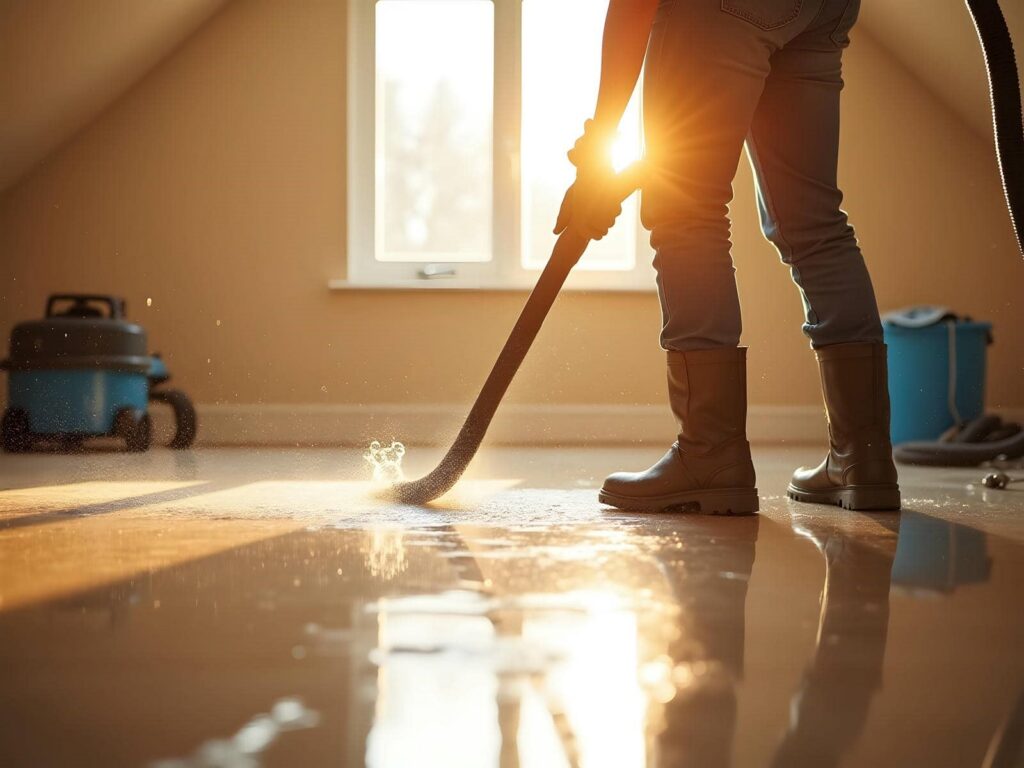
Use a Wet/Dry Vacuum: Ideal for removing standing water quickly and efficiently.
Install a Dehumidifier: Helps reduce moisture levels in the air, promoting faster drying.
Utilize Fans and Air Circulation: Enhances evaporation and speeds up the drying process.
Comparing DIY vs. Professional Water Extraction Solutions
When considering water extraction options, you’ll want to weigh the cost-effectiveness of DIY methods against professional solutions.
Analyzing the time required for each approach reveals significant differences in efficiency.
Additionally, equipment quality can greatly impact the effectiveness of the extraction process, making it essential to understand these variables before deciding.
Cost-Effectiveness Analysis
While choosing between DIY and professional water extraction solutions, it’s crucial to evaluate the cost-effectiveness of each approach. Conducting a thorough cost analysis can help you decide which method aligns with your budgeting strategies.
DIY Solutions: Often involve lower initial costs but can lead to hidden expenses if problems arise.
Professional Services: Typically carry higher upfront fees, yet they provide expertise and equipment that can prevent further damage.
Long-Term Considerations: Weigh potential future costs against immediate savings to promote sustainable decision-making.
Time Required Comparison
Although you might save money with DIY water extraction methods, the time commitment often outweighs the benefits. When you tackle a water extraction project yourself, you could spend hours or even days trying to manage the situation, especially if you’re unfamiliar with the process.
In contrast, professional services bring not only expertise but also remarkable time efficiency. Experts can often complete the same task in a fraction of the time, minimizing disruption to your daily life.
Equipment Quality Differences
Choosing the right equipment for water extraction can greatly impact the effectiveness of your efforts, especially when comparing DIY methods to professional solutions.
DIY equipment types often lack the power and precision needed for ideal extraction efficiency. In contrast, professionals use high-grade machinery designed for quicker, more thorough results.
Suction Power: Professional equipment typically has stronger suction capabilities, ensuring better water removal.
Advanced Technology: Professionals employ tools featuring advanced technology to detect moisture levels and improve efficiency.
Durability: Commercial-grade equipment is built to withstand rigorous use, providing reliability over time.
Must-Have Tools for Water Removal Success
When tackling water removal, having the right tools at your disposal is essential to guarantee efficiency and effectiveness.
Suction pumps are critical for extracting large volumes of water quickly, while extraction vacuums provide a more thorough removal of moisture from surfaces.
To gauge your progress, moisture meters help you monitor the levels of humidity remaining in materials, ensuring no hidden dampness lingers.
Finally, dehumidifiers play a pivotal role in lowering humidity levels, preventing mold growth and further damage.
Together, these tools form a complete arsenal for water removal success, allowing you to address the problem systematically and effectively.
Investing in these essential instruments fosters a sense of belonging within the community of diligent homeowners tackling water damage.
Proactive Steps to Prevent Water Damage
While having the right tools for water removal is essential, taking proactive steps to prevent water damage in the first place can save you time, money, and stress.
Implementing a routine of preventive maintenance can greatly reduce the risk of water-related issues in your home.
Consider these strategies:
- Invest in a reliable water detection system to catch leaks early.
- Regularly inspect your plumbing and appliances for signs of wear or leaks.
- Maintain gutters and downspouts to guarantee proper drainage.
When to Call in Experts for Water Extraction?
How do you know when it’s time to call in professionals for water extraction? If you’re facing significant water accumulation, it’s vital to act quickly.
Emergency response teams can mitigate damage and prevent mold growth, which can arise within 24-48 hours. If the water source is unclear or if the affected area exceeds 100 square feet, you should seek a professional assessment.
Experts utilize advanced equipment for thorough extraction, guaranteeing that hidden moisture is addressed. Don’t underestimate the importance of expertise; improper handling can lead to structural issues or health risks.
Trusting professionals not only guarantees effective removal but also protects your home and loved ones. It’s a decision that fosters safety and peace of mind.
Frequently Asked Questions
What Are the Environmental Impacts of Water Extraction Methods?
Water extraction methods can lead to sustainability concerns and ecosystem disruption. You’ll notice diminished biodiversity and altered water cycles, affecting both local habitats and human communities relying on these ecosystems for their livelihoods and well-being.
How Do Different Water Sources Affect Extraction Techniques?
Different water sources greatly influence extraction techniques; for instance, groundwater quality often requires advanced filtration methods, while surface water methods might rely on simpler techniques. Understanding these differences guarantees effective, sustainable water management tailored to specific sources.
Are There Any Health Risks Associated With Water Extraction?
Yes, there are health risks associated with water extraction. You might face waterborne diseases from contaminated sources and chemical exposure from extraction processes. Being aware of these risks is essential for ensuring safe water management practices.
What Is the Cost Difference Between Various Extraction Methods?
When you compare extraction methods, you’ll notice significant cost differences. More efficient techniques may have higher upfront costs but ultimately save money through reduced labor and increased extraction efficiency, making them worth considering for long-term benefits.
How Do I Choose the Best Extraction Method for My Situation?
To choose the best extraction method, assess your situation’s specific needs, considering extraction efficiency and method suitability. Evaluate factors like water type, volume, and environmental conditions to guarantee ideal results tailored to your requirements.
Wrap-Up
In the face of water damage, every second counts. Delaying extraction can escalate minor issues into costly disasters, leaving your home vulnerable. By understanding effective water extraction methods and the tools necessary for success, you can safeguard your property and well-being. But what happens when the situation exceeds your capabilities? Recognizing when to call in the experts can mean the difference between a quick recovery and enduring chaos. Don’t wait until it’s too late act decisively to protect your investment.