
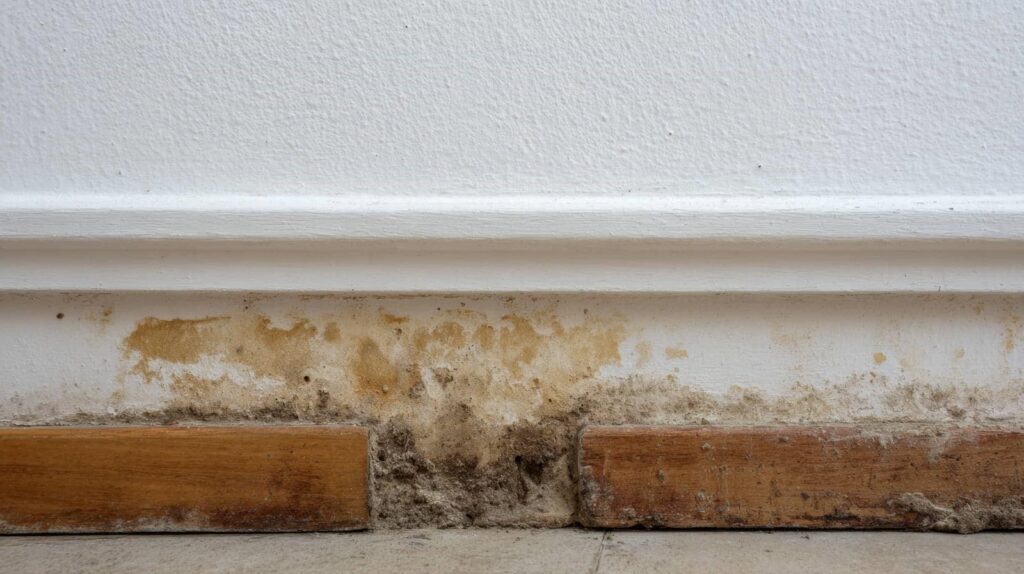
When evaluating water damage, it’s essential to approach the task systematically. Start by inspecting visible areas for obvious signs like water stains and warped structures. From there, you’ll need to gauge the extent of the damage, looking for mold growth and checking the integrity of materials. Utilizing moisture meters can provide valuable insights into hidden issues. Understanding these steps will set the foundation for developing effective repair strategies and ensuring long-term solutions.
Key Takeaways
- Inspect visible areas for water stains, peeling paint, and warped surfaces to identify current damage.
- Utilize moisture meters to measure moisture levels in affected materials and assess severity.
- Document findings with high-resolution photos and detailed notes for insurance purposes.
- Check for mold growth and evaluate structural integrity to understand long-term impacts.
- Categorize personal belongings by damage level to prioritize repair or replacement decisions.
Why Assessing Water Damage Is Crucial
When you encounter water damage, understanding its extent and implications is crucial for effective remediation.
Evaluating water damage guarantees you identify not just the visible areas but also hidden issues that could lead to further complications. This assessment significance can’t be overstated; it helps in determining the necessary steps for repair and restoration.
You’ll want to examine the source of the moisture, the affected materials, and the potential for mold growth. A thorough inspection allows you to prioritize actions, whether it involves drying out materials or replacing structural elements.
Understanding the Signs of Water Damage
When evaluating water damage, you’re looking for common indicators that signal underlying issues.
Start with a thorough visual inspection of areas prone to moisture, such as basements and around windows.
Identifying discoloration, mold growth, or warped surfaces can provide critical insights into the extent of the damage.
Common Indicators of Damage
Numerous signs can indicate water damage lurking in your home, and recognizing them early is essential for preventing further complications.
Pay close attention to these common indicators:
Water stains on walls or ceilings, which often appear as discolored patches.
Peeling paint or wallpaper, signaling moisture beneath the surface.
Musty odors, suggesting mold growth due to persistent dampness.
Warped or buckled flooring, indicating that water has penetrated the subfloor.
Increased utility bills, which may reflect hidden leaks or excessive water use.
Visual Inspection Techniques
Identifying water damage requires a detailed visual inspection of your property, complementing the signs you’ve already observed.
Start by systematically checking all areas, including ceilings, walls, and floors, using visual assessment techniques to spot discoloration, warping, or peeling paint.
Don’t overlook hidden spaces like basements and attics, where moisture often hides.
Utilize inspection tools like moisture meters and infrared cameras to detect dampness beneath surfaces.
Pay attention to musty odors, which can indicate mold growth.
Take notes and photos during your inspection for future reference.
How to Identify Source and Severity of Damage
To identify the source and severity of water damage, start by inspecting visible water areas, such as walls and floors, for any signs of leakage.
Next, check for mold growth, which can indicate prolonged moisture exposure and potential health risks.
Finally, assess the structural integrity of affected materials to determine the extent of damage and necessary repairs.
Inspect Visible Water Areas
Visible water areas often reveal critical clues about the source and severity of water damage. As you examine these areas, pay close attention to water stains and potential leak sources. Identifying these signs can help you assess the situation effectively.
Here are key indicators to observe:
Color and size of water stains: Darker or larger stains often indicate prolonged exposure.
Texture of surfaces: Warped or bubbling materials suggest deeper issues.
Location of stains: Stains near plumbing fixtures may point to leaks.
Presence of dampness: Persistent moisture can signal ongoing leaks.
Flow patterns: Observe how water travels, which might lead you to the source.
Check for Mold Growth
After examining visible water areas, it’s important to check for mold growth, as it often indicates the presence of moisture and can reveal the severity of the damage.
Start by inspecting damp areas, such as basements or behind appliances, and look for various mold types, including black mold and mildew. Use a flashlight to spot any discoloration on walls or ceilings.
If you find mold, consider its health risks, which can range from allergic reactions to respiratory issues. Take note of the extent of the growth; small patches might be manageable, while extensive infestations may require professional remediation.
Document your findings, as this information will help you understand the overall damage and necessary steps moving forward.
Assess Structural Integrity
Evaluating structural integrity is essential for understanding the extent of water damage and determining the necessary remediation steps.
You need to assess key areas to guarantee foundation stability and the integrity of load-bearing walls. Here’s what to check:
Cracks: Look for fissures in walls and the foundation.
Sagging: Notice any uneven floors, which may indicate compromised support.
Moisture: Inspect for signs of persistent dampness that could weaken structures.
Wood Rot: Examine wooden beams and supports, as decay can undermine strength.
Mold: Identify mold growth around structural components, signaling potential water intrusion.
Assessing Damage to Personal Belongings
How can you accurately determine the extent of water damage to your personal belongings? Begin with a thorough personal item evaluation. Examine each item closely, noting visible signs of damage such as warping, staining, or mold growth.
Next, categorize your belongings by their material composition; wood, fabric, and electronics will require different assessment techniques.
Once you’ve cataloged everything, conduct a sentimental value assessment. Identify items that hold emotional significance, as they may warrant special care or restoration efforts.
For items that are severely damaged, consider the feasibility of repair versus replacement. Document your findings with photos and notes, as this will be useful for insurance claims and professional restorers.
Taking these steps guarantees you make informed decisions regarding your cherished items.
Evaluating Structural Integrity After Water Exposure
Once you’ve assessed the damage to your personal belongings, the next step involves checking the structural integrity of your home.
Confirming your home’s structural safety after water exposure is vital. Start by inspecting key areas for signs of weakness or damage.
- Check for warping in floors and walls.
- Look for cracks in the foundation or load-bearing beams.
- Assess the condition of roofing materials.
- Investigate the basement and crawl spaces for moisture accumulation.
- Evaluate window and door frames for swelling or misalignment.
Each of these indicators can reveal potential hazards.
If you notice significant issues, it’s important to consult a professional to prevent further complications and guarantee the safety of your living environment.
How to Find Hidden Water Damage in Walls and Ceilings
Have you ever wondered if water damage lurks behind your walls or ceilings, silently causing more extensive issues?
Start by conducting thorough wall inspections throughout your home. Look for signs like discoloration, peeling paint, or mold growth, which may indicate hidden leaks.
Tap the walls gently; hollow sounds can suggest water accumulation behind the surface. Use a flashlight to check for water stains or sagging areas, and don’t forget to inspect corners and joints where moisture often collects.
Pay attention to areas near plumbing fixtures, as these are common leak spots. If you suspect hidden damage, consider consulting a professional who can help identify and address the issue before it escalates.
Protect your home and peace of mind.
How Moisture Meters Help You Assess Damage
After identifying potential hidden water damage in your walls and ceilings, using a moisture meter can provide a more accurate assessment of the situation.
Moisture meters come in various types, each designed to enhance moisture meter accuracy. By choosing the right one, you can pinpoint problem areas effectively. Here’s what to evaluate:
- Pin-type meters measure moisture by penetrating materials.
- Pinless meters assess moisture through electromagnetic signals.
- Hygrometers gauge humidity levels in the air.
- Conductivity meters evaluate moisture through electrical resistance.
- Thermal imaging cameras visualize moisture through temperature differences.
Utilizing these tools not only helps you assess damage but also fosters a deeper understanding of moisture issues, enhancing your ability to address them promptly and effectively.
Documenting Your Assessment for Insurance
How can you guarantee your insurance claim for water damage is successful? Start by meticulously documenting your assessment.
Take clear, high-resolution photos of all affected areas, showing the extent of the damage. Record details like water source, duration of exposure, and any repairs initiated.
Utilize moisture meters to provide precise readings, and include these figures in your insurance documentation. Make a list of damaged items, including replacement costs, to support your claim process.
Be thorough insurers appreciate detailed reports. Finally, keep copies of all correspondence and receipts related to your assessment and repairs.
This organized approach not only strengthens your claim but also fosters trust and clarity in your relationship with your insurance provider.
Preventing Future Water Damage
Once you’ve documented your assessment for insurance, it’s time to focus on preventing future water damage.
Implementing preventive measures is essential for guaranteeing your home remains safe and sound. Here are some long-term solutions you can adopt:
- Regularly inspect and maintain your roof and gutters.
- Seal cracks in your foundation and walls to keep water out.
- Install sump pumps in basements to handle excess water.
- Confirm proper drainage away from your property.
- Use moisture barriers in crawl spaces and basements.
Frequently Asked Questions
How Long Does It Take for Water Damage to Show Signs?
Water damage often shows early signs within 24 to 48 hours after exposure. You might notice discoloration, peeling paint, or musty odors developing. Prompt action can prevent further damage and guarantee your space remains safe and welcoming.
Can I Assess Water Damage Myself or Should I Hire a Professional?
You can perform a DIY assessment, but hiring a professional evaluation guarantees accuracy. Professionals use advanced tools and techniques, identifying hidden issues you might miss, providing peace of mind and thorough solutions for your water damage concerns.
What Types of Water Damage Are Covered by Insurance Policies?
Most insurance policies cover sudden incidents like pipe bursts and flooding, but you’ll want to check your specific policy. Flood damage often requires separate coverage, so make certain you understand the details to avoid surprises later.
Are There Health Risks Associated With Untreated Water Damage?
Untreated water damage invites a hidden storm mold growth thrives, threatening your health and the structural integrity of your home. You wouldn’t ignore a leaking roof, so don’t overlook the dangers of dampness.
How Often Should I Inspect My Home for Potential Water Damage?
You should inspect your home for potential water damage seasonally, ideally during regular maintenance checks. This proactive approach helps you identify issues early, maintaining your home’s integrity and ensuring a safe, comfortable environment for everyone.
Recap
In the end, you might find that ignoring water damage is far more expensive than addressing it early. By meticulously evaluating every aspect of the damage from visible signs to hidden moisture you’ll not only safeguard your home but also your wallet. Remember, a thorough inspection today can prevent a flood of problems tomorrow. So, take the time to document your findings and act decisively; your future self will thank you for it and irony will be the least of your worries.