
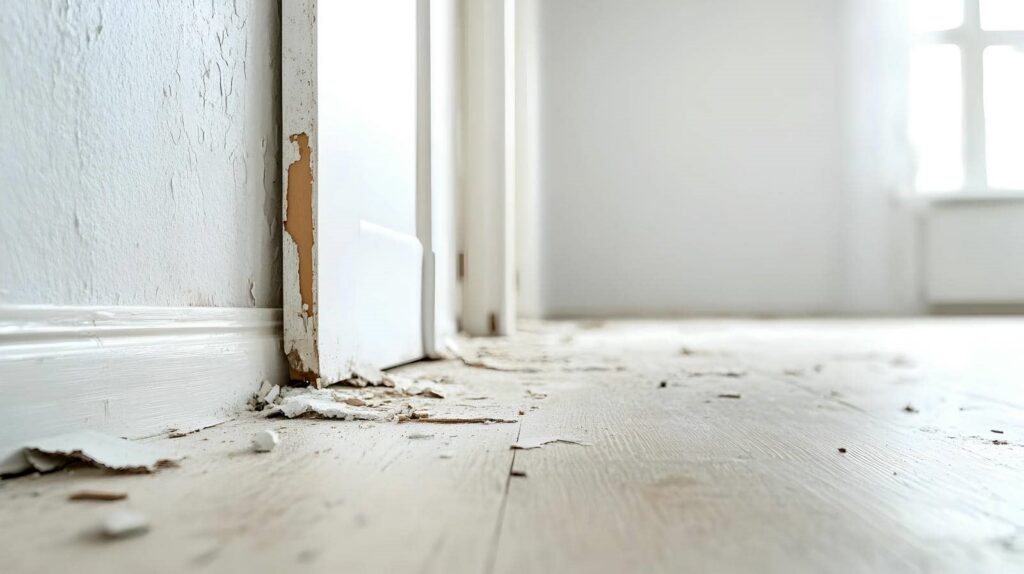
Water damage can be both a minor inconvenience and a major catastrophe, depending on how quickly it’s addressed. To effectively manage this issue, you need to follow a systematic approach that begins with pinpointing the source of the water intrusion. A professional water damage assessment is the critical first step in determining the severity of the issue and creating a clear restoration plan. Once you’ve identified the cause, you’ll assess the extent of the damage before meticulously documenting your findings. Understanding these steps is essential for ensuring proper restoration and facilitating any necessary insurance claims. What comes next might surprise you.
Key Takeaways
- Utilize thermal imaging cameras to detect hidden moisture and temperature variations in affected areas.
- Employ moisture meters to accurately assess moisture content in materials and surfaces.
- Inspect common areas for leaks, including plumbing fixtures, roofs, and windows for potential water intrusion.
- Document findings with photographs, measurements, and detailed reports for insurance claims and restoration.
- Categorize the severity of water damage to prioritize remediation efforts effectively.
How to Identify the Source of Water Damage?
How can you pinpoint the source of water damage effectively? Start by employing advanced leak detection techniques.
Use thermal imaging cameras to identify temperature variations that indicate hidden moisture. Next, create a moisture mapping of the affected areas. This involves measuring humidity levels and identifying damp spots, allowing you to visualize the extent of the water intrusion.
Pay close attention to common culprits like plumbing fixtures, roofs, and windows. Don’t forget to inspect basements and crawl spaces, where leaks often go unnoticed.
Understanding How to Assess Water Damage Severity and Affected Areas
After pinpointing the source of water damage, the next step is reviewing its severity and identifying the affected areas.
Start by looking for common water damage indicators, such as discoloration, warping, or mold growth. Use damage assessment tools like moisture meters and thermal imaging cameras to accurately gauge the extent of the damage. These tools help you detect hidden moisture that may not be visible to the naked eye.
It’s crucial to categorize the severity as minor, moderate, or severe based on the affected materials and the duration of exposure to water.
Documenting Water Damage Findings for Insurance and Restoration
Accurate documentation of water damage findings is essential for both insurance claims and restoration efforts.
To guarantee your assessment is thorough, follow these key steps:
- Photograph the Damage: Capture clear images of affected areas, including close-ups and wide shots.
- Record Measurements: Note dimensions of water-impacted spaces and materials, which will aid in restoration estimates.
- Detail Findings: Write a detailed report describing the type, extent, and cause of the damage.
- Collect Evidence: Gather any relevant documents, such as previous inspections or maintenance records, to support your claims.
Frequently Asked Questions
How Can I Prevent Future Water Damage Issues?
To prevent future water damage issues, implement waterproofing techniques around vulnerable areas and schedule routine inspections. By staying proactive, you’ll identify potential problems early and protect your home from costly repairs and extensive damage.
What Tools Are Necessary for Water Damage Assessment?
You’ll need a moisture meter and an infrared camera for effective water damage assessment. Surprisingly, up to 30% of homes experience hidden moisture issues, highlighting the importance of using these tools to identify and address potential problems.
Is It Safe to Stay in a Water-Damaged Home?
It’s not safe to stay in a water-damaged home due to potential mold growth and compromised structural integrity. You should evacuate immediately and address the damage to protect your health and safety.
How Long Does the Water Damage Assessment Process Take?
The water damage assessment process typically takes 1 to 2 hours, but it can vary based on impact factors like the extent of damage and building materials. Being thorough guarantees you address all potential issues effectively.
Can I Assess Water Damage Myself, or Should I Hire a Professional?
You can attempt a DIY assessment, but hiring professional help guarantees a detailed evaluation. Experts utilize advanced tools and techniques, providing an all-encompassing understanding of the damage, preventing future complications, and fostering a sense of security.
Review
Precise water damage evaluation is pivotal for proper restoration. By pinpointing the source, thoroughly tracking the severity, and diligently documenting your findings, you’ll guarantee an effective evaluation. This meticulous method not only safeguards your property but also streamlines the insurance process. Remember, a proactive approach in pinpointing problems, evaluating areas, and archiving details can save you time and trouble, transforming potential turmoil into a timely turnaround. Stay savvy and structured in your water damage strategy!