Did you know that mold can start growing within just 24 to 48 hours after water damage? This rapid development can lead to serious health issues, including respiratory problems and allergic reactions. It’s essential to understand how retained moisture and high humidity create a perfect breeding ground for mold. To protect your health and property, you need to know the best mold prevention strategies and the importance of swift action.
Key Takeaways
- Mold can develop within 24 to 48 hours after water damage, making immediate prevention crucial.
- Moisture retention in materials fosters mold growth, leading to health risks and property damage.
- Effective humidity control below 60% significantly reduces the likelihood of mold infestations.
- Early identification of mold signs helps mitigate further damage and health risks.
- Professional water damage restoration ensures thorough drying and reduces long-term mold growth potential.
Understanding Mold Risks After Water Damage
When water damage occurs, understanding the mold risks is essential, as mold can begin to grow within 24 to 48 hours under ideal conditions.
The mold lifecycle starts with spores that can easily infiltrate your home. Once moisture is present, these spores germinate, leading to rapid growth.
You mightn’t see it immediately, but mold can spread quickly, producing allergens and irritants that pose significant health implications. Exposure can lead to respiratory issues, allergic reactions, and other health problems.
By recognizing these risks early, you can take proactive steps to mitigate mold growth and protect your living environment.
Staying informed and vigilant safeguards your health and fosters a sense of belonging in a safe, healthy home.
How Moisture Fuels Mold Development
Moisture serves as the primary catalyst for mold development, creating an environment where spores can thrive. When water damage occurs, moisture retention in materials like drywall, wood, and carpets becomes a considerable concern.
This retained moisture, coupled with high humidity levels, allows mold spores to germinate and proliferate rapidly. You mightn’t notice it immediately, but even a slight increase in humidity can create ideal conditions for mold growth.
Effective humidity control is essential in preventing mold. By managing indoor humidity levels and addressing any sources of excess moisture, you can greatly reduce the risk of mold infestation.
Understanding how moisture fuels mold development empowers you to take proactive steps toward a healthier living environment.
How to Keep Mold at Bay in Your Home
To keep mold at bay in your home, it’s crucial to implement strategies that effectively manage moisture levels and promote air circulation.
Start with mold prevention techniques like using dehumidifiers to maintain indoor humidity control below 60%. Ascertain proper ventilation in areas prone to dampness, such as bathrooms and kitchens, by using exhaust fans.
Regularly inspect and clean gutters to prevent water accumulation. Fix leaks promptly to eliminate moisture sources.
Utilize mold-resistant materials in construction or renovation projects to add an extra layer of protection.
Finally, encourage good airflow by rearranging furniture and keeping vents unobstructed.
The Importance of Professional Water Damage Restoration
While addressing water damage on your own might seem feasible, engaging a professional water damage restoration service is essential for effectively mitigating long-term risks.
Here are a few reasons why you should consider professional expertise:
- Thorough Assessment: Experts identify hidden damage that you might overlook.
- Advanced Restoration Techniques: Professionals utilize specialized equipment and methods to restore your property efficiently.
- Mold Prevention: Ensuring proper drying and ventilation reduces the risk of mold growth.
- Insurance Assistance: Professionals can help navigate your insurance claims, ensuring you receive the coverage you deserve.
Identifying Signs of Mold Infestation
To effectively prevent mold after water damage, you need to identify the signs of infestation promptly.
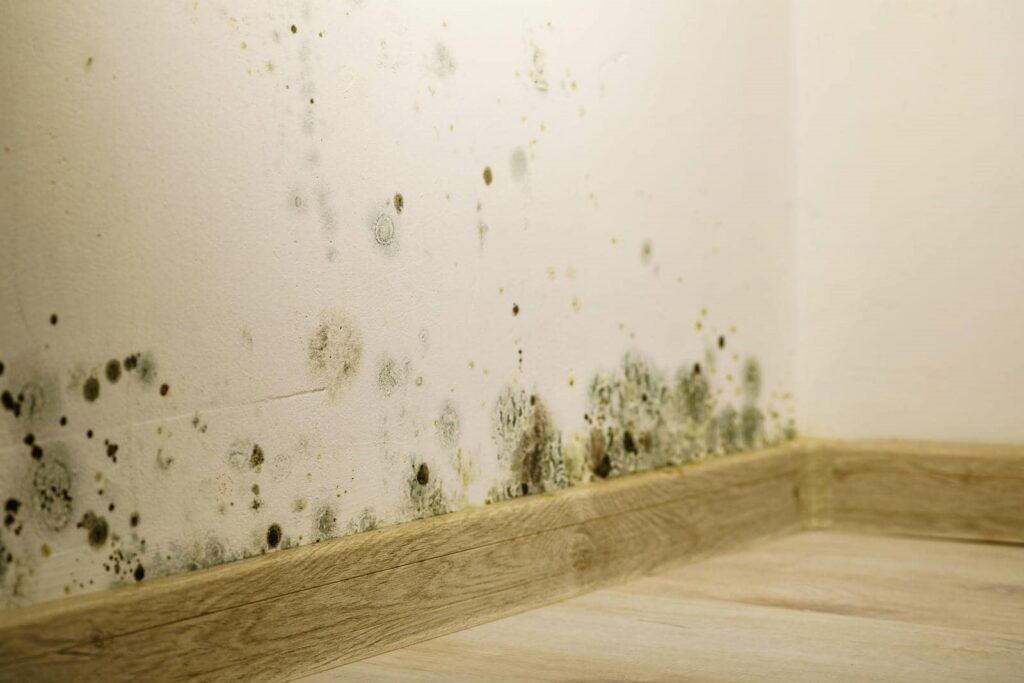
Look for visible mold growth on surfaces, detect any musty odors in the air, and pay attention to water stains on walls or ceilings.
Recognizing these indicators early can help you take the necessary steps to mitigate mold development.
Visible Mold Growth
When you suspect water damage in your home, identifying visible mold growth is vital for preventing further issues.
Conducting thorough surface inspections can help you spot mold early. Here are key signs to look for:
- Discoloration: Look for green, black, or white patches on walls and ceilings.
- Texture Changes: Notice if surfaces feel fuzzy or slimy.
- Water Stains: Check for dark spots, indicating moisture behind surfaces.
- Peeling Paint: Watch for paint or wallpaper that’s bubbling or peeling away.
If you find any of these indicators, it’s important to act quickly.
Timely mold removal can help ensure your home remains safe and healthy, preventing further damage and potential health risks.
Musty Odor Detection
After checking for visible mold growth, the next step in mold prevention involves detecting musty odors, which often signal a hidden mold infestation.
These odors typically arise from musty odor sources such as damp basements, water-damaged walls, or under carpets. If you notice a persistent musty smell, it’s essential to act quickly to avoid health risks and structural damage.
Start by identifying the source of the odor and inspecting areas with high humidity. Musty odor remedies include improving ventilation, using dehumidifiers, and cleaning affected surfaces with appropriate mold-killing solutions.
Water Stains Noticed
Water stains can often be a telltale sign of a mold infestation lurking in your home.
If you’ve noticed these stains, it’s essential to act quickly to prevent further damage.
Here’s what you should look for:
- Color Changes: Dark brown or black stains may indicate mold growth beneath the surface.
- Texture: Stains with a fuzzy or slimy texture can signal active mold.
- Location: Stains near water sources, like pipes or roofs, are more likely linked to previous water damage.
- Size and Spread: Larger or spreading stains suggest ongoing moisture issues that require immediate stain removal.
Long-Term Benefits of Timely Mold Prevention Measures
Timely mold prevention measures not only protect your property but also contribute to long-term health benefits for you and your family.
By addressing moisture issues promptly, you reduce the risk of mold growth, which can lead to respiratory problems and allergies. This proactive approach helps maintain a healthy living environment, fostering well-being for everyone in your home.
Additionally, safeguarding your property from mold damage preserves its value over time. A well-maintained home ensures comfort and enhances marketability should you decide to sell.
Investing in mold prevention is, consequently, not just a short-term solution; it’s a strategic choice that promotes your family’s health and sustains your property’s value for years to come.
Frequently Asked Questions
Can Mold Grow in Hidden Spaces After Water Damage?
Yes, hidden mold can definitely grow in concealed areas after water damage. Moisture creates an ideal environment, allowing mold spores to thrive unnoticed. It’s essential to inspect and address these areas promptly to prevent further complications.
How Quickly Should I Act After Discovering Water Damage?
You should act within 24 to 48 hours after discovering water damage. Start with water extraction and a thorough damage assessment to prevent mold growth and further complications, ensuring your space remains safe and comfortable.
Are There DIY Mold Prevention Methods That Work?
Yes, you can use natural remedies like vinegar or tea tree oil as mold inhibitors. They effectively prevent mold growth when applied to affected areas, helping you maintain a healthier environment in your home.
What Materials Are Most Susceptible to Mold Growth?
Wood materials and carpet fibers are most susceptible to mold growth. These organic materials retain moisture, creating ideal conditions for mold proliferation, especially in damp environments. Regular inspection and prompt drying can help mitigate these risks.
Is Mold Removal Covered by Homeowners Insurance?
Mold removal is often covered by homeowners’ insurance, but it depends on your insurance policies. Review your coverage details; some may exclude mold damage. Always confirm specifics with your insurer to ensure you’re protected.
Summary
In addressing water damage, you can’t afford to overlook mold prevention. By acting quickly—perhaps just as you’re drying out a room—you’re not just protecting your home, but also your health. Remember, mold can start growing within days, so your prompt action makes all the difference. Investing in dehumidifiers and proper ventilation now might just spare you from costly repairs and health issues later. Coincidentally, your diligence today could be the key to a mold-free home tomorrow.