
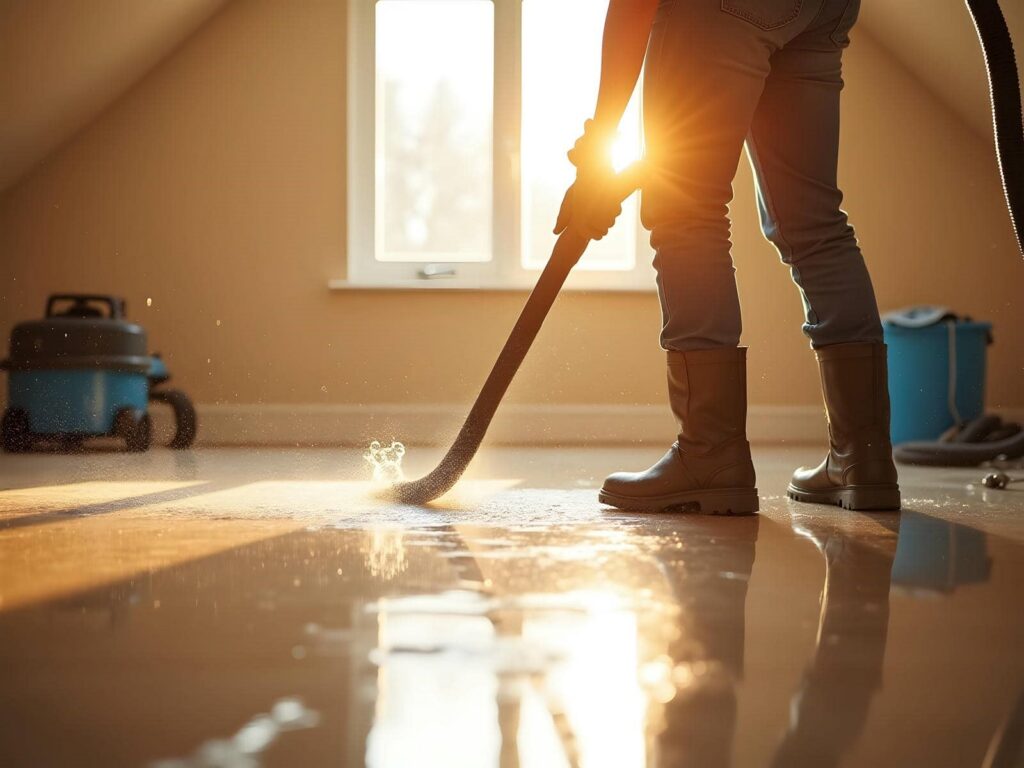
When it comes to water extraction, knowing the right techniques can make all the difference in minimizing damage. Different situations call for specific water extraction techniques, whether you’re dealing with a flooded basement or a minor leak. Submersible pumps, truck-mounted extractors, and portable options each serve unique purposes. Understanding these techniques is essential, especially when considering the extent of the damage and the water quality. So, what method should you choose for best results?
Key Takeaways
- Submersible Pumps are ideal for deep water removal and efficiently handle large volumes of water in extensive areas.
- Truck-Mounted Extractors provide high suction power for quick extraction, making them suitable for large-scale water damage scenarios.
- Portable Extractors are easy to maneuver, making them effective for localized water issues in confined spaces.
- Wet/Dry Vacuums are versatile and user-friendly, suitable for smaller jobs and rapid responses to water emergencies.
- Advanced Extraction Methods improve cleanup efficiency while considering environmental factors for optimal application in diverse situations.
What You Need to Know About Water Extraction
When you consider water extraction, it’s vital to understand the various techniques available and their specific applications. Effective water removal is important during flood cleanup, as it prevents further damage and promotes a healthy environment.
One common method is submersible pump extraction, which efficiently removes large volumes of water. Another technique is the use of vacuums designed for water extraction, ideal for smaller areas or residual moisture. Additionally, dehumidifiers play a significant role in drying out affected spaces.
Each method has its strengths and weaknesses, so choosing the right technique depends on the situation’s specifics. By familiarizing yourself with these options, you can guarantee a more effective and thorough response to water-related incidents, fostering a sense of security within your community.
Common Causes of Water Damage in Homes
Understanding the common causes of water damage in homes is essential for prevention and effective response. By recognizing these issues, you can take proactive steps to protect your home.
Here are some primary causes:
- Pipe leaks: Aging or damaged pipes can result in significant water loss.
- Roof leaks: Poor maintenance or storm damage can lead to water intrusion.
- Appliance failure: Malfunctioning appliances like dishwashers or washing machines can cause unexpected floods.
- Sewer backup: Blockages can lead to sewage overflow, creating hazardous conditions.
Other contributors include flood damage, groundwater seepage, and storm damage.
How to Choose the Best Method for Effective Water Extraction
Choosing the best method for effective water extraction hinges on several critical factors, including the source of the water, the extent of the damage, and the materials affected.
Start by evaluating the water quality—whether it’s clean, gray, or black water—as this will influence your approach. For example, contaminated water requires more rigorous extraction methods to guarantee safety.
Next, assess the extent of the damage; if it’s widespread, you’ll need a method with high extraction efficiency to prevent further issues.
Finally, consider the materials impacted, as some may be more sensitive to certain extraction techniques.
Top Water Extraction Techniques for Effective Cleanup
After evaluating the factors influencing your water extraction method, it’s time to explore the top techniques that guarantee effective cleanup.
These advanced extraction methods not only enhance efficiency but also take environmental considerations into account.
Here are four techniques to contemplate:
- Submersible Pumps: Ideal for deep water removal, they efficiently handle large volumes.
- Truck-Mounted Extractors: Perfect for extensive areas, they offer high suction power for quick extraction.
- Portable Extractors: Easy to maneuver, these are great for confined spaces.
- Wet/Dry Vacuums: Versatile and user-friendly, they’re suitable for smaller jobs and quick responses.
Essential Tools for Water Extraction
When tackling water extraction, having the right tools at your disposal can make all the difference in achieving a successful cleanup.
Essential extraction equipment includes high-capacity pumps, which efficiently remove large volumes of water, and powerful dehumidifiers that help eliminate residual moisture. You’ll also need wet/dry vacuums for smaller areas and specialized extraction tools for carpets and upholstery.
Depending on your chosen water extraction methods, consider moisture meters to assess saturation levels and protective gear to guarantee safety.
These tools not only enhance your efficiency but also promote a sense of community, as collaborating with others who share the same goal can lead to a more effective recovery process.
Equip yourself well, and you’ll foster a safe and clean environment for everyone.
Why Hire Professional Water Extraction Services?
While you might consider tackling water extraction on your own, hiring professional services often leads to more effective results.
Here are some reasons why you should seriously contemplate this option:
- Cost Benefits: Professionals can prevent further damage, saving you money in the long run.
- Expert Knowledge: They possess specialized skills to assess and address water damage efficiently.
- Advanced Equipment: Professionals utilize industrial-grade tools that guarantee thorough extraction and drying.
- Safety: They know how to handle hazardous materials and prevent health risks associated with water damage.
When Is DIY Water Extraction Safe and Effective?
How can you determine if DIY water extraction is a viable option for your situation? First, assess the severity of the water damage. If it’s minor and localized, you might find effective methods like wet vacuums or absorbent materials helpful.
Confirm you prioritize DIY safety wear protective gear and ventilate the area. However, if you’re dealing with extensive flooding or contaminated water, it’s best to consult professionals. They’ve specialized equipment and expertise that exceed what most homeowners can manage.
Additionally, consider your comfort level with tackling such tasks; if you’re unsure, it’s wise to seek help. Ultimately, the choice between DIY and professional services should hinge on the extent of damage and your confidence in managing the situation effectively.
Best Practices for Preventing Water Damage After Extraction
After water extraction, it’s essential to implement immediate drying techniques to minimize damage.
You should also guarantee proper ventilation to facilitate airflow, which helps reduce humidity levels.
Additionally, taking proactive measures to prevent mold growth can safeguard your property from long-term issues.
Immediate Drying Techniques
Immediate drying techniques are essential for minimizing water damage and guaranteeing a swift recovery after extraction. To effectively achieve moisture removal, follow these best practices:
- Use High-Velocity Air Movers: Place them strategically to enhance airflow, promoting quick evaporation.
- Deploy Dehumidifiers: Set up industrial dehumidifiers to extract moisture from the air and surfaces, accelerating drying.
- Monitor Humidity Levels: Check humidity regularly with a hygrometer to guarantee levels are decreasing appropriately.
- Remove Wet Materials: Dispose of any saturated items that can’t be dried effectively, reducing the overall moisture burden.
Proper Ventilation Strategies
What effective ventilation strategies can you implement to prevent water damage following extraction?
Start by ensuring ideal airflow management in the affected area. Open windows and doors to create cross-ventilation, allowing fresh air to circulate and moisture to escape.
Utilize fans to enhance airflow, directing it toward damp surfaces to expedite drying. For spaces with high humidity, consider dehumidifiers to actively manage moisture levels.
Aim to maintain indoor humidity below 60% to reduce the risk of lingering dampness. Regularly monitor humidity levels with a hygrometer, adjusting your strategies as needed.
Mold Prevention Measures
To effectively prevent mold growth in areas affected by water extraction, it’s essential to act swiftly and implement targeted measures.
Mold spores thrive in damp environments, so moisture control is vital. Here are some best practices you should follow:
- Dry Wet Areas Immediately: Use fans and dehumidifiers to eliminate excess moisture.
- Seal Leaks: Inspect and repair any leaks in plumbing or roofing to prevent future water intrusion.
- Increase Airflow: Keep windows open and doors ajar to promote ventilation.
- Use Mold-Resistant Products: Consider mold-resistant paints and materials in vulnerable areas.
What to Do After Water Extraction: Restoration Steps
After water extraction, it’s crucial to act swiftly to mitigate further damage and assure a complete restoration.
Begin with a thorough water damage assessment to identify affected areas and underlying issues. This evaluation helps prioritize repair efforts and guarantees that nothing is overlooked. Document the damage with photos and notes, which will assist in filing insurance claims accurately.
Next, dry out the space using dehumidifiers and fans, which prevents mold growth. Clean and sanitize surfaces to eliminate contaminants.
Once everything is dry, repair structural damages, and replace any ruined materials. Finally, consider preventative measures to reduce future risks.
Frequently Asked Questions
How Long Does Water Extraction Typically Take?
Water extraction duration typically ranges from a few hours to several days, depending on factors like extraction efficiency and the volume of water needed. Your specific situation will greatly influence the exact timeframe required.
What Are the Risks of Inadequate Water Extraction?
Inadequate water extraction can lead to significant water damage, promoting mold growth and structural issues. You should always consider effective extraction methods to prevent costly repairs and health hazards associated with prolonged moisture exposure.
Can I Use Household Items for Water Extraction?
You can definitely use household items for water extraction, blending convenience with practicality. DIY solutions like sponges or towels effectively absorb moisture, while larger containers help collect excess water, ensuring your space stays dry and comfortable.
How Do I Identify Hidden Water Damage?
To identify hidden water damage, look for water stains on walls and ceilings, and sniff for damp smells in areas like basements or behind appliances. These signs often indicate underlying moisture issues needing immediate attention.
Are There Specific Insurance Policies for Water Damage?
Yes, there are specific insurance policies for water damage. You’ll want to review your insurance coverage carefully, as it can vary widely. Make sure it adequately protects you against potential losses from water-related incidents.
Summary
Understanding water extraction techniques is essential for effective cleanup and damage prevention. While some may believe DIY methods can suffice, this often overlooks the complexities involved in water removal and potential health risks. The right approach, whether through professional services or informed DIY efforts, greatly impacts the outcome. Ultimately, prioritizing safety and employing the most suitable extraction technique can make all the difference in preserving your home and ensuring a thorough restoration process.