
Imagine standing in a room flooded with water, the damage looming like a dark cloud overhead. When faced with such a scenario, understanding the top structural drying methods becomes vital. Efficient water extraction, dehumidification, and advanced drying techniques are fundamental for restoring your space. But how do these methods work together to guarantee a swift recovery and prevent future issues? Let’s explore the pivotal steps in the drying process.
Key Takeaways
- Utilize powerful pumps and wet vacuums for efficient water extraction from buildings after flooding.
- Deploy dehumidifiers to lower humidity levels, enhancing the drying process and preventing further damage.
- Implement infrared and heat drying techniques to penetrate materials and accelerate moisture evaporation.
- Conduct thorough inspections and repairs of leaks to prevent future moisture issues contributing to structural damage.
- Ensure proper airflow and ventilation in affected areas to promote effective drying and mold growth prevention.
What Is Structural Drying and Why Should You Care?
Structural drying is an essential process that mitigates the damage caused by flooding in buildings. After a flood, your primary concern should be maintaining the structural integrity of your property.
When moisture lingers, it can lead to mold growth, wood rot, and compromised foundations, all of which jeopardize safety and increase repair costs. By understanding structural drying, you’re empowered to take action promptly.
This process involves using specialized equipment to remove excess moisture from materials like drywall, flooring, and insulation. By addressing moisture issues quickly, you not only protect your investment but also create a healthier living environment.
In the flood aftermath, prioritizing structural drying guarantees that your home remains a safe haven, fostering a sense of belonging and peace.
Top Water Extraction Techniques for Flood Damage Restoration
Effective water extraction is essential in flood damage restoration, as it lays the foundation for successful structural drying.
You’ll want to start with powerful pumps to remove standing water quickly, as time is of the essence. Wet vacuums are great for smaller areas, allowing you to get into tight spots that a pump might miss.
Consider using submersible pumps for deeper water, guaranteeing you maximize efficiency. For residual moisture, specialized extraction tools like water claws can be invaluable in pulling water from carpets and padding.
Employing these advanced restoration techniques not only accelerates the drying process but also minimizes potential mold growth, safeguarding your home’s structure and integrity.
Prioritize these methods to guarantee effective flood damage recovery.
How Dehumidifiers Aid in Flood Recovery
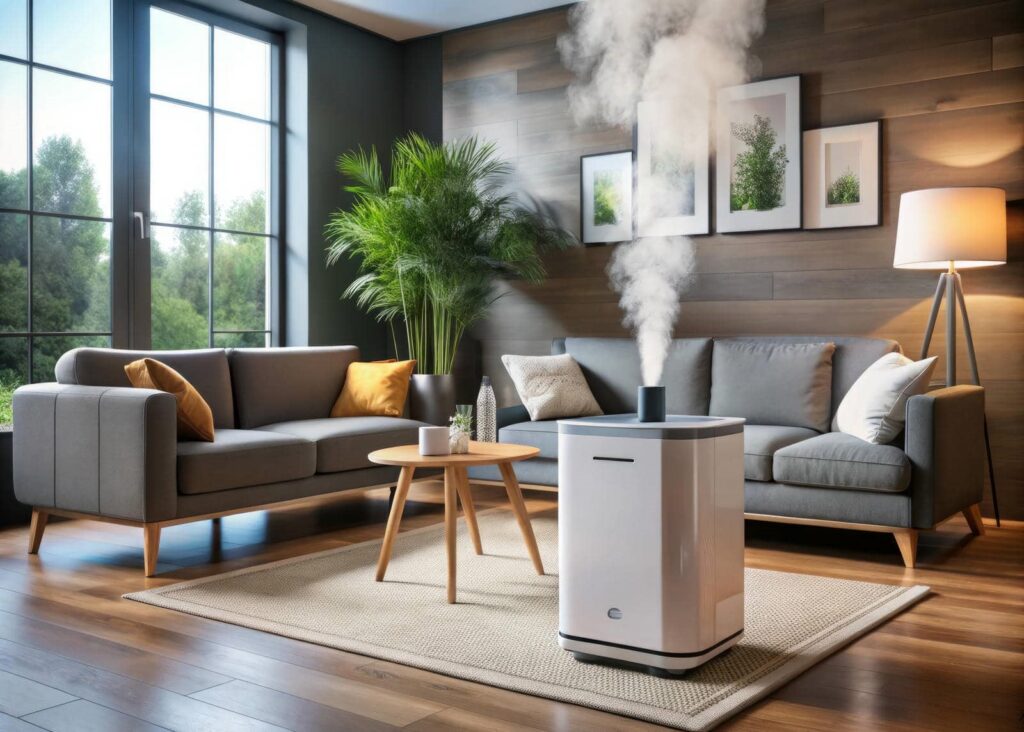
Dehumidifiers play an essential role in flood recovery by greatly reducing humidity levels, which is critical for preventing further damage.
By effectively controlling moisture, these devices enhance dehumidifier efficiency, ensuring that the drying process is both fast and thorough. High humidity can lead to mold growth and structural deterioration, so using a dehumidifier helps maintain a safe environment.
You’ll want to position the unit strategically to maximize airflow, allowing it to extract moisture more efficiently. Regular monitoring of humidity levels will help you assess the effectiveness of your efforts.
As you work through the recovery process, remember that proper moisture control can greatly improve your home’s resilience against future flooding incidents.
How Infrared and Heat Drying Techniques Speed Up Water Removal
While traditional drying methods can take time, infrared and heat drying techniques greatly accelerate water removal in flood-damaged areas.
Infrared technology utilizes wavelengths that penetrate materials, allowing for even heat distribution. This method targets moisture in walls and floors, promoting quicker evaporation.
Coupled with heat application, these techniques enhance drying efficiency, reducing the overall recovery time. By directly heating the affected surfaces, the moisture trapped inside is rapidly released into the air.
This dual approach not only expedites the drying process but also minimizes the risk of secondary damage. For those experiencing flood damage, employing infrared and heat drying methods can drastically improve your recovery efforts, ensuring a swift return to normalcy while maintaining a sense of community support and resilience.
Steps to Prevent Mold Growth After Flooding
After implementing infrared and heat drying techniques, the next step is to focus on preventing mold growth, which can thrive in damp environments.
To effectively utilize mold prevention strategies, you need to implement moisture control techniques promptly. Here are some essential steps to follow:
Inspect and repair leaks: Check plumbing and roofs for any signs of water intrusion.
Ventilate the area: Guarantee proper airflow by opening windows and using fans to circulate air.
Use dehumidifiers: Reduce humidity levels to under 60% to inhibit mold growth.
Clean and disinfect surfaces: Use appropriate cleaning solutions to wipe down affected areas.
Frequently Asked Questions
How Long Does Structural Drying Typically Take After a Flood?
Structural drying typically takes three to five days, depending on the severity of water intrusion and materials involved. A quick drying timeline is essential for effective flood recovery, helping you prevent further damage and mold growth.
Can I Perform Structural Drying Myself, or Should I Hire Professionals?
You can attempt DIY techniques for structural drying, but hiring professionals often guarantees thoroughness and efficiency. Consider a cost analysis: investing in expertise might save you time and prevent further damage, fostering a sense of community support.
What Equipment Is Commonly Used in Structural Drying Processes?
Like a whirlwind, air movers circulate air, while dehumidifiers extract moisture, creating an effective structural drying environment. You’ll find these tools essential for efficient drying, ensuring your space returns to normal quickly and safely.
Are There Health Risks Associated With Improper Structural Drying?
Yes, improper structural drying can lead to mold growth and respiratory issues. Failing to thoroughly dry affected areas creates a breeding ground for mold, which poses significant health risks for you and your loved ones.
How Can I Assess the Effectiveness of Structural Drying Methods?
To assess drying techniques, you should regularly measure moisture levels using a moisture meter. Compare readings over time to verify effectiveness, and check for hidden damp areas that may require additional drying intervention or techniques.
Final Thoughts
In the grand circus of flood recovery, it turns out you can’t just toss a towel on the wet carpet and call it a day. Embracing proper structural drying methods isn’t just a suggestion; it’s your ticket to a mold-free existence. So, while you might dream of a magical drying fairy swooping in, it’s really the pumps, dehumidifiers, and heat that’ll save your home. Remember, ignoring these techniques is like inviting mold to your post-flood party definitely not a good idea!