
When water invades your home, quick water extraction is crucial to minimize damage and prevent mold growth. You need to act fast, using the right tools and techniques. Understanding how to effectively remove water can save you time and money in repairs. Are you equipped with the essential knowledge and resources for emergency water extraction? Let’s explore the most effective methods that every homeowner should know.
Key Takeaways
- Turn off electricity in the affected area to ensure safety before starting any water extraction process.
- Use a submersible pump to quickly remove large volumes of standing water efficiently.
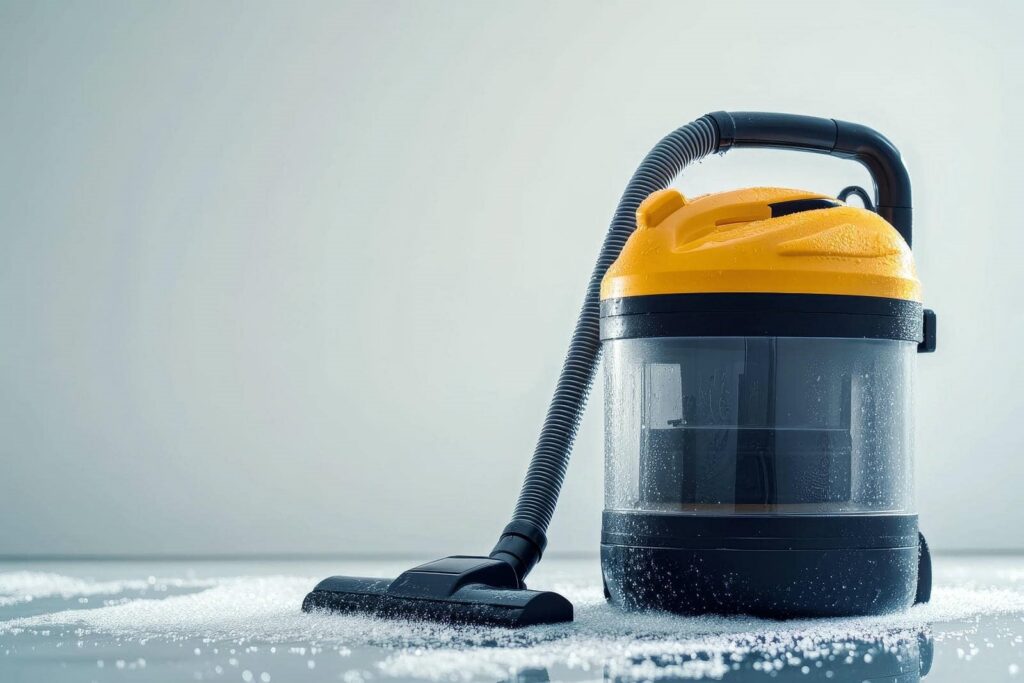
- Employ a wet/dry vacuum to tackle residual moisture and debris after initial extraction.
- Utilize industrial-strength dehumidifiers to prevent mold growth by reducing humidity levels.
- Inspect for hidden pockets of water using moisture meters to ensure complete extraction and prevent future damage.
Why Quick Water Extraction Is Crucial
When a water emergency occurs, quick extraction is essential to mitigate damage and health risks. Water damage can escalate rapidly, leading to structural issues and mold growth.
You mightn’t realize that standing water can compromise your home’s integrity within hours. This is where extraction urgency comes into play. The longer water sits, the more severe the consequences become for your property and health.
By acting swiftly, you can minimize losses and reduce the risk of long-term complications. Remember, every minute counts when dealing with water damage. Engaging professionals or using effective methods promptly helps guarantee that your home remains a safe haven.
Don’t underestimate the importance of timely action; it can save you both time and money in the long run.
Essential Tools for Effective Water Extraction
Effective water extraction relies on a set of essential tools designed to combat the immediate challenges of flooding and water damage. To achieve efficient water removal, you’ll need high-quality extraction equipment, including submersible pumps, wet/dry vacuums, and industrial-strength dehumidifiers.
Submersible pumps swiftly remove large volumes of water, while wet/dry vacuums tackle residual moisture and debris. Dehumidifiers are important for preventing mold growth by reducing humidity levels. Additionally, moisture meters help you monitor dampness in walls and floors, ensuring complete extraction.
Investing in these tools not only enhances your ability to respond effectively but also fosters a sense of community, as you connect with other homeowners facing similar challenges. Being prepared is essential for safeguarding your home and well-being.
DIY Water Extraction: Step-by-Step Guide
Having the right tools sets the stage for a successful DIY water extraction process. First, make sure you have a wet/dry vacuum, buckets, towels, and a dehumidifier on hand.
Start by turning off electricity to the affected area for safety. Use the vacuum to remove standing water, working from the edges inward. For stubborn moisture, employ extraction methods like mopping or using towels to soak up remaining water.
Next, focus on drying the area—open windows for ventilation or run the dehumidifier to accelerate moisture removal. Don’t forget to inspect for hidden pockets of water, as they can lead to mold.
Following these homeowner tips will help you effectively manage water damage and restore your home.
How to Prevent Future Water Damage
To prevent future water damage, you need to implement a proactive approach.
Regular maintenance checks on plumbing and appliances can help identify leaks before they escalate.
Additionally, installing water sensors and ensuring proper drainage systems further protect your property from potential water issues.
Regular Maintenance Checks
While water damage can occur suddenly, regular maintenance checks can greatly mitigate the risk of future incidents.
Conducting seasonal inspections of your property’s plumbing, roofing, and drainage systems is essential. Look for leaks, cracks, or signs of wear that could lead to larger problems down the line.
Routine upkeep, like cleaning gutters and ensuring proper insulation, can prevent water from seeping into your home. Pay attention to areas prone to moisture, such as basements and crawlspaces, and address any issues promptly.
Install Water Sensors
Regular maintenance checks lay the groundwork for a secure home, but installing water sensors can provide an additional layer of protection against unexpected water damage.
Proper water sensor placement is essential; consider areas prone to leaks, such as basements, under sinks, and near appliances. These sensors detect moisture levels and alert you before significant damage occurs.
For enhanced convenience, opt for smart home integration, allowing you to monitor water levels remotely via your smartphone. This proactive approach not only safeguards your property but also fosters peace of mind, knowing you’re taking steps to protect your home and family.
Investing in water sensors is a smart choice that can prevent costly repairs and keep your living space secure.
Proper Drainage Systems
Establishing proper drainage systems is essential for preventing future water damage in your home. A well-thought-out drainage design directs water flow away from your foundation, reducing the risk of leaks and flooding.
Start by evaluating your property’s layout to identify potential water accumulation points. Install gutters and downspouts that efficiently channel rainwater away from your home. Make sure that your landscape slopes away from the foundation, promoting ideal water flow.
Regularly inspect and maintain these systems to prevent clogs and damage. Additionally, consider installing a French drain or sump pump in areas prone to heavy water accumulation.
When Should You Call Professional Water Damage Services?
If you notice significant water damage in your home, it’s essential to act quickly, as delays can lead to further complications such as mold growth or structural issues.
Knowing when to call professional water damage services is vital. Look for signs of damage like water stains on walls or ceilings, a musty odor, or warped flooring.
If the water intrusion is extensive, or if you can’t identify the source, it’s time to seek expert help. Additionally, if you experience flooding that overwhelms your efforts to extract water, don’t hesitate to call professionals.
They’ve the specialized equipment and expertise to effectively manage water removal and repairs, ensuring your home is restored safely and efficiently.
Top Mistakes to Avoid for Effective Water Extraction
When you tackle water extraction, overlooking safety precautions can lead to serious injuries or further damage.
Additionally, using the wrong equipment not only prolongs the process but can also compromise the effectiveness of your efforts.
Ignoring Safety Precautions
While it’s easy to focus solely on the task of water extraction, neglecting safety precautions can lead to serious consequences.
Always prioritize your safety by wearing appropriate safety gear, including gloves, masks, and waterproof boots. This gear protects you from potential hazards like contaminated water or sharp debris.
During water extraction, remain aware of your surroundings, especially when dealing with electrical outlets or appliances that may pose risks.
If the situation escalates, don’t hesitate to call for emergency response. They can handle dangerous conditions and prevent further damage.
Remember, rushing through the process without considering safety can jeopardize not only your health but also the effectiveness of your water extraction efforts.
Stay safe to guarantee a successful outcome.
Using Incorrect Equipment
Choosing the right equipment is essential for effective water extraction, as using incorrect tools can lead to inadequate results and further complications.
Many homeowners make the mistake of using improper pumps or incorrect vacuuming techniques. For instance, a standard household vacuum isn’t designed for water removal and can get damaged, while improper pumps may not have the capacity to handle large volumes or may fail under pressure.
This can prolong the drying process, causing mold and structural damage. Always invest in specialized equipment tailored for water extraction to guarantee efficiency and safety.
Documenting Water Damage for Insurance
As you begin the process of documenting water damage for insurance claims, it’s vital to capture detailed evidence that supports your case.
Effective damage documentation can greatly influence the outcome of your claim. Follow these steps to guarantee you’re thorough:
- Photograph Everything: Take clear, dated photos of all affected areas and items before any cleanup. This visual evidence is essential.
- Create a List: Document damaged belongings, including descriptions, values, and purchase dates. This helps establish the extent of your loss.
- Collect Supporting Documents: Include any repair estimates, maintenance records, and correspondence with your insurance company. These documents substantiate your claim.
Frequently Asked Questions
Can I Use a Regular Vacuum for Water Extraction?
You can’t use a regular vacuum for water removal. Instead, opt for a wet/dry vacuum designed for such tasks; it handles different vacuum types efficiently, ensuring effective extraction without damaging your equipment or home.
What Should I Do if My Electrical Outlets Are Submerged?
If your electrical outlets are submerged, prioritize electrical safety. Immediately turn off the power at the breaker, then inspect the outlets for damage. Don’t use them until a professional assesses the situation and guarantees safety.
How Long Does It Take for a Home to Dry Completely?
It typically takes several days to weeks for your home to dry completely, depending on drying factors like air circulation and humidity levels. Conducting a thorough moisture assessment helps guarantee all areas are adequately dried.
Is It Safe to Extract Water During a Storm?
Extracting water during a storm can be like maneuvering a flooded road—dangerous and unpredictable. Prioritize storm safety; water hazards increase risks of electric shock or injury. Wait for conditions to improve before attempting extraction.
What Should I Do With Wet Furniture and Carpets?
Remove wet furniture and carpets immediately to prevent mold growth. Use fans and dehumidifiers for effective furniture drying, and clean carpets with a wet vacuum. Guarantee proper ventilation to expedite carpet care and drying processes.
Final Thoughts
In the face of water damage, acting swiftly is your lifeline. By mastering emergency extraction techniques, you not only save your home but also safeguard your peace of mind. Think of water as a swift thief; the quicker you respond, the less it can steal. Equip yourself with the right tools and knowledge to tackle any water emergency head-on. Remember, vigilance today can prevent a deluge of problems tomorrow. Stay proactive, and keep your home safe.