Many homeowners underestimate the prevalence of hidden water damage, often assuming it only occurs in severe flooding situations. However, even minor leaks can lead to significant structural issues over time. Knowing how to spot these subtle signs is essential for maintaining the integrity of your home. Understanding the common indicators and inspection methods can save you from costly repairs. So, what should you be looking for as you assess your living space?
Key Takeaways
- Look for water stains on ceilings and walls, which often indicate hidden leaks or moisture issues.
- Use a moisture meter to assess humidity levels in areas prone to dampness, identifying concealed water damage.
- Inspect for mold growth or musty odors in hidden areas, as these can signal underlying moisture problems.
- Check for warping or bubbling in walls and floors, which may suggest water intrusion behind surfaces.
- Monitor your water bills for sudden increases, as they may indicate undetected leaks or water damage.
Why Timely Detection of Water Damage Matters
Although water damage might seem like a minor issue at first, timely detection is essential to preventing more extensive problems down the line.
You need to understand the importance of awareness regarding water damage, as even small leaks can escalate quickly. If you neglect the signs, you risk structural damage, mold growth, and costly repairs, which can severely impact your living environment and well-being.
By staying vigilant and addressing issues promptly, you not only protect your property but also foster a sense of community by sharing knowledge with neighbors.
Common Signs of Water Damage to Look For
Water damage often hides in plain sight, making it essential to recognize its common signs early.
By being vigilant, you can protect your home from extensive damage. Here are three key indicators to watch for:
Water Stains: Look for yellow or brown spots on ceilings and walls, which often signal leaks from above.
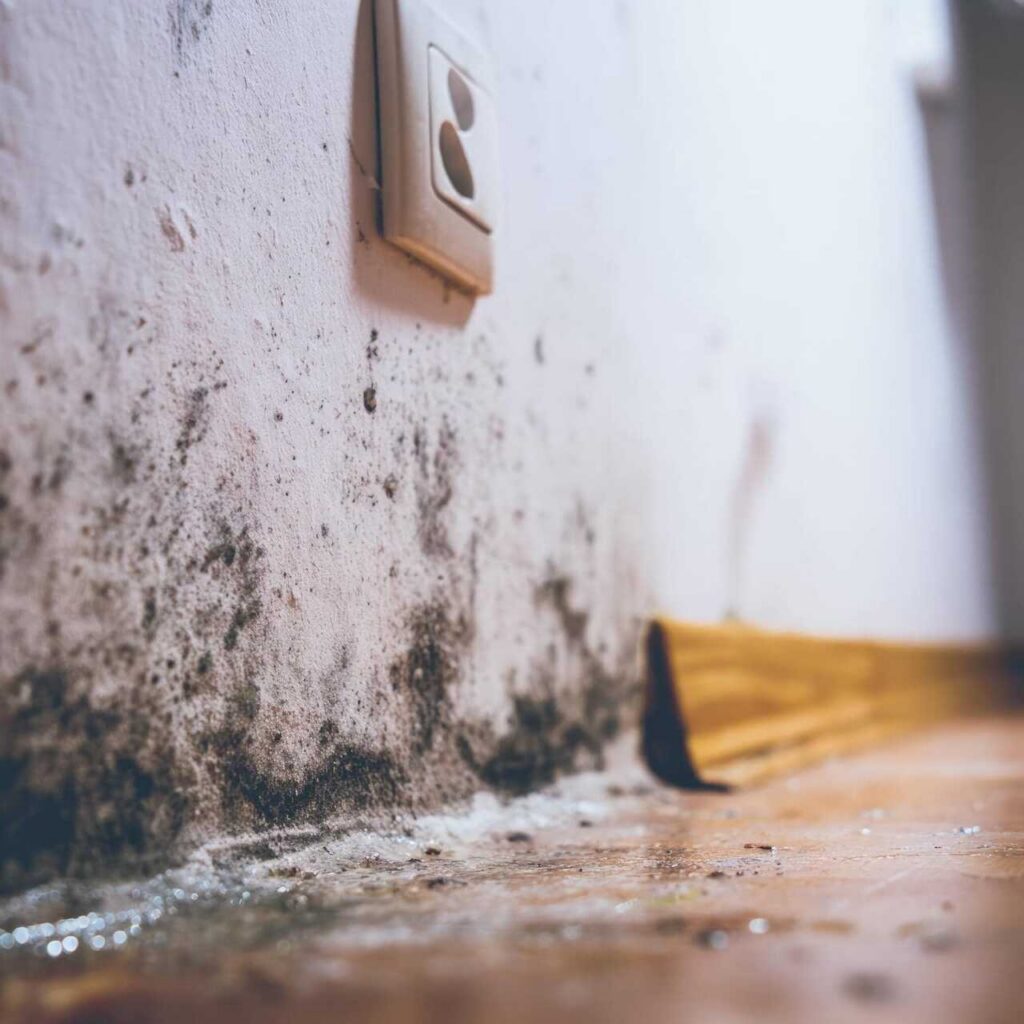
Mold Growth: Notice any damp, musty odors or visible mold on surfaces; this can thrive in moist areas and indicate prolonged water exposure.
Warped or Bubbling Walls: Check for any irregularities in wall surfaces, as swelling or peeling paint suggests underlying moisture issues.
Identifying these signs can help you address water damage before it worsens, fostering a safer, healthier home environment.
How to Inspect Your Home for Water Damage
To effectively inspect your home for water damage, start by checking for stains on walls and ceilings, as they often indicate underlying moisture issues.
Next, use a moisture meter to assess the humidity levels in areas prone to dampness.
Finally, examine the structural integrity of beams and flooring, looking for signs of warping or deterioration that could signal hidden water damage.
Check For Stains
One of the most effective ways to identify hidden water damage in your home is by checking for stains, as these often reveal underlying issues.
Pay attention to the following stain types and colors:
Yellow or brown stains: Often indicate prolonged exposure to water, possibly from a leaky roof or plumbing issues.
Dark spots: These may suggest mold growth, typically linked to persistent moisture in the area.
Peeling or blistering paint: This can signal water intrusion behind walls or ceilings, leading to further damage.
Inspect Moisture Levels
While you may notice visible signs of water damage, inspecting moisture levels throughout your home provides a more thorough assessment of potential issues.
Start by identifying moisture sources, such as leaks from pipes, roofs, or appliances. Use a hygrometer to measure humidity levels in different areas, especially in basements and bathrooms where moisture tends to accumulate. A humidity level above 60% can indicate a potential problem.
Pay attention to hidden areas like behind walls or under sinks where excess moisture may linger. If you find elevated levels, it’s essential to address the issue promptly to prevent mold growth and structural damage.
Regular monitoring helps you maintain a healthy living environment, ensuring you and your loved ones feel safe and comfortable at home.
Examine Structural Integrity
As you inspect your home for water damage, examining the structural integrity is essential for identifying potential risks and preventing further issues.
Start with a thorough foundation assessment to check for cracks, settling, or displacement.
Next, conduct structural inspections of beams and joists, noting any signs of warping or rot.
Finally, review exterior walls for bulging or bowing, which may indicate hidden moisture problems.
- Inspect the foundation for cracks and stability.
- Assess beams and joists for structural integrity.
- Check exterior walls for bulging or bowing.
Essential Tools for Detecting Water Damage
To effectively detect water damage, you’ll need the right tools at your disposal.
Moisture meters provide precise readings of humidity levels in materials, helping you identify hidden issues before they escalate.
Infrared cameras offer a non-invasive way to visualize temperature differences, revealing areas where moisture may be trapped behind walls or ceilings.
Moisture Meters Overview
Moisture meters are essential tools for detecting hidden water damage, especially in areas often overlooked. Understanding the different moisture meter types can help you choose the right one for your needs. Here’s what you should know:
Pin-type meters: These insert pins into materials, measuring electrical resistance to determine moisture levels.
Pinless meters: These use electromagnetic signals to scan surfaces, providing a non-invasive way to detect moisture.
Hygrometers: These measure humidity levels in the air, offering insight into the potential for water damage.
When selecting a moisture meter, prioritize moisture meter accuracy to guarantee reliable readings.
Infrared Cameras Benefits
While traditional moisture detection methods have their advantages, infrared cameras offer a unique set of benefits that enhance your ability to spot hidden water damage.
Utilizing infrared technology, these cameras employ thermal imaging to visualize temperature variations in surfaces, revealing moisture that’s otherwise invisible to the naked eye. This allows you to detect leaks behind walls, under floors, or in ceilings without invasive inspections.
With real-time feedback, you can quickly assess a situation, helping you make informed decisions and prioritize repairs. Furthermore, infrared cameras can improve your overall efficiency, saving you time and money.
Where to Check for Hidden Water Damage
When you’re inspecting your home for hidden water damage, start by focusing on areas prone to leaks and excess moisture.
These spots can often harbor hidden leaks that lead to significant damage over time.
Here are three key areas to check:
Basement Inspections: Pay attention to walls and floors, looking for signs of dampness or mold.
Around Windows and Doors: Inspect seals and frames, as these are common leak points.
Under Sinks and Appliances: Check for discoloration or water stains, indicating possible leaks from plumbing.
Common Causes of Water Damage in Homes
Water damage can wreak havoc on your home, often stemming from a variety of common sources that homeowners might overlook.
Leaky roofs can allow rainwater to seep in, causing mold and structural issues. Faulty plumbing, like burst pipes or worn-out seals, can lead to significant water accumulation.
Don’t ignore overflowing gutters; they can direct water into your foundation, leading to cracks and further damage. Broken appliances, such as washing machines or dishwashers, can also cause unexpected leaks.
Additionally, high humidity levels can create a damp environment, promoting mold growth. Finally, cracked foundations can compromise your home’s integrity, allowing water intrusion.
Next Steps After Finding Water Damage
Upon discovering water damage, it’s vital to act swiftly to minimize further issues. Here are your next steps:
Assess the Damage: Take photos and document the extent of the damage. This information is important for both insurance claims and planning effective remediation strategies.
Contact Professionals: Engage water damage restoration experts. They can evaluate the situation and implement remediation strategies to prevent mold growth and structural damage.
Notify Your Insurance Company: Report the damage and start the claims process. Provide them with the documentation you’ve gathered to support your case.
Tips to Prevent Future Water Damage
To effectively reduce the risk of future water damage, maintaining a proactive approach is crucial.
Start by implementing waterproofing techniques in vulnerable areas like basements and crawl spaces. This could involve applying sealants or using membranes to create a barrier against moisture.
Additionally, consider investing in reliable drainage solutions; verify gutters and downspouts direct water away from your home’s foundation. Regularly check for clogs and clean them to maintain ideal function.
Inspect your roof for damaged shingles, as leaks can lead to significant issues.
Finally, monitor indoor humidity levels with dehumidifiers if necessary, especially in damp climates.
When to Call a Professional for Water Damage Assessment
Recognizing when to call a professional for a water damage assessment can save you time and resources.
If you notice any of the following signs, it’s time to seek professional intervention:
Persistent Dampness: If areas remain damp despite your efforts to dry them, it indicates underlying issues that need expert evaluation.
Mold Growth: Visible mold, especially in hidden areas like attics or basements, can pose health risks and require immediate professional assessment.
Structural Changes: If you’re seeing cracks in walls or ceilings, it could mean your property’s integrity is compromised due to hidden water damage.
Don’t hesitate to reach out to professionals when these issues arise; their expertise can help prevent further damage and costly repairs.
Frequently Asked Questions
Can Hidden Water Damage Affect Indoor Air Quality?
Yes, hidden water damage can considerably affect indoor air quality. It fosters mold growth, increasing indoor humidity and releasing air pollutants that can harm your health, making it essential to address any hidden issues promptly.
How Long Does It Take for Water Damage to Show Signs?
Water damage can take anywhere from a few days to several weeks to show signs, depending on the severity of the water leak. Employing effective detection methods early on can help you prevent costly repairs later.
Does Homeowners Insurance Cover Hidden Water Damage?
Homeowners insurance often covers hidden water damage, but it depends on your policy coverage. You’ll need to navigate the claim process carefully, ensuring you document everything to receive the compensation you deserve.
What Materials Are Most Susceptible to Hidden Water Damage?
Wood materials and drywall integrity are your hidden water damage’s worst enemies. They absorb moisture like sponges, leading to structural decay and mold growth. Stay vigilant; your home’s safety depends on it!
How Can I Prevent Mold Growth After Discovering Water Damage?
To prevent mold growth after discovering water damage, implement moisture control measures like dehumidifiers, guarantee proper ventilation, and use mold prevention techniques such as applying antimicrobial treatments to affected areas. Stay proactive and vigilant.
Final Thoughts
Being proactive in spotting hidden water damage can save you time, money, and stress. With the signs and inspection techniques outlined, you’re equipped to tackle potential issues before they escalate. But have you considered how much damage could go unnoticed if you neglect regular checks? By staying vigilant and following preventive measures, you can maintain a safe home environment and protect your investment from the costly consequences of water damage.