
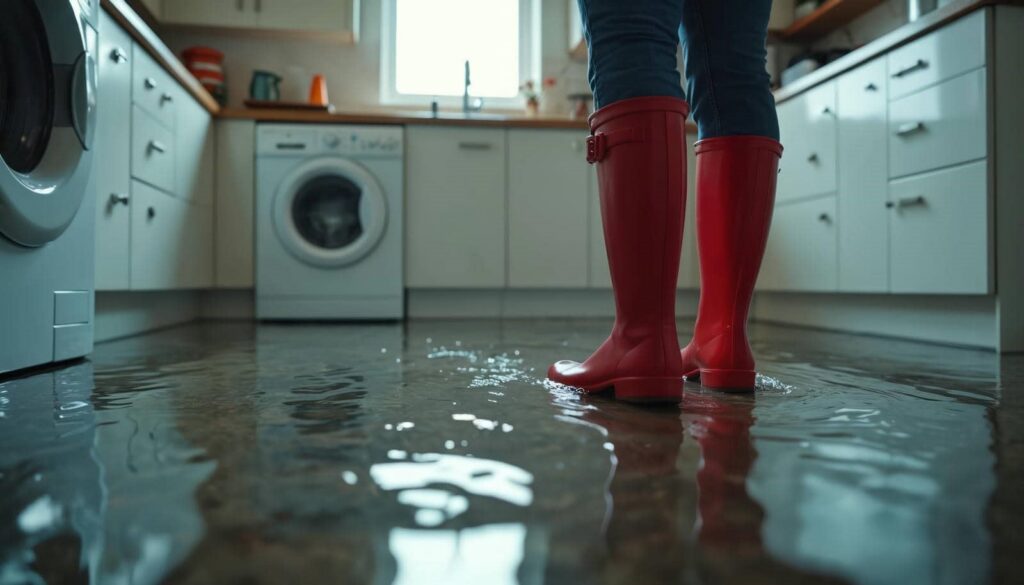
When faced with such a water damage emergency, knowing the right steps to take can make all the difference. From evaluating the damage to preventing mold growth, effective damage cleanup is vital to protect your home and health. But what should your first step be? Let’s explore essential tips that can help you navigate this challenging process.
Key Takeaways
- Assess the extent of water damage and document it for insurance claims before starting cleanup efforts.
- Remove standing water immediately using a wet/dry vacuum or sump pump to prevent further damage.
- Enhance air circulation and use dehumidifiers to effectively dry out the affected area.
- Inspect for mold signs and ensure all wet materials are dried promptly to prevent growth.
- Call professionals for contaminated water, significant damage, or persistent moisture issues to ensure safety.
Why Assessing Water Damage Is Your First Step
Before you plunge into cleanup efforts, evaluating water damage is essential for understanding the extent of the problem.
Start your damage assessment by identifying affected areas and checking for hidden moisture, as this can prevent further issues down the line. Document everything with photos and notes, which can be vital for your insurance claims process.
Knowing the details of the damage helps you communicate effectively with your insurance provider and guides your next steps in remediation.
By taking the time to assess the situation thoroughly, you position yourself to make informed decisions, ensuring you don’t overlook anything important.
Remove Water Immediately
Once you’ve assessed the extent of the water damage, it’s time to act quickly and remove the water. A prompt response is essential in preventing further damage and mold growth.
Start with water extraction using a wet/dry vacuum or a sump pump if the situation is difficult. Make sure you wear protective gear to stay safe.
If you’re dealing with a smaller area, towels and mops can help absorb excess water. Don’t forget to check hidden areas like under carpets or behind furniture, as water can easily accumulate there.
The sooner you remove the water, the better your chances are of minimizing long-term damage. Taking these immediate steps will help you regain control and protect your space.
Essential Techniques for Effective Drying and Dehumidifying
As you move forward with the cleanup process, effective drying and dehumidifying are essential to preventing mold growth and structural damage.
Focus on enhancing air circulation and establishing moisture control throughout your space. Here are some techniques to help you achieve this:
- Use fans to increase airflow and speed up evaporation.
- Employ dehumidifiers to extract excess moisture from the air.
- Open windows and doors, if the weather permits, to promote fresh air circulation.
- Remove wet materials, such as carpets or upholstery, promptly to prevent lingering dampness.
How to Identify and Prevent Mold After Water Damage
Identifying and preventing mold after water damage is essential, especially since it can develop within 24 to 48 hours if moisture remains unchecked.
Start with a thorough mold inspection of affected areas, looking for signs like discoloration or a musty smell. Pay close attention to hidden spaces such as behind walls and under carpets.
To maintain moisture control, ensure you dry all wet materials promptly and keep indoor humidity below 60%. Use dehumidifiers and fans to improve air circulation.
Regularly check for leaks and seal any cracks in your home’s foundation. By staying proactive, you can create a healthier living environment and protect your loved ones from the risks associated with mold growth.
When Should You Call in Water Damage Professionals?
How can you determine if a water damage situation requires professional intervention? If you’re facing significant water damage, it’s vital to act quickly.
Here are some signs that you shouldn’t tackle the cleanup alone:
- Water Types: Contaminated water (category 2 or 3) poses health risks and demands expert handling.
- Damage Extent: If water has penetrated walls or flooring, the damage may be more severe than it seems.
- Persistent Moisture: If you notice lingering dampness or mold growth, professionals can address hidden moisture.
- Structural Concerns: Damage to the foundation or structural elements of your home requires immediate professional assessment.
Recognizing these indicators will help you ensure your home is safe and secure after water damage.
Frequently Asked Questions
What Are the Health Risks Associated With Water Damage?
Water damage can lead to serious health risks, like mold growth, which triggers respiratory issues. If you don’t address it quickly, you’re risking your well-being and that of everyone in your space. Take action now!
How Can I Tell if My Home Has Hidden Water Damage?
How can you find hidden water damage in your home? Check for discoloration on walls, listen for dripping sounds, and use moisture detection tools. Don’t ignore musty odors; they often signal hidden leaks waiting to be addressed.
What Items Should I Keep During Water Damage Cleanup?
During water damage cleanup, keep essential cleaning supplies like mops and buckets handy. Also, assess your belongings to identify salvageable items, such as furniture and electronics, ensuring you preserve what matters most to you.
Can I Use My Insurance for Water Damage Repairs?
Absolutely, you can use your insurance for water damage repairs! Just review your policy for insurance coverage details and ensure you’re filing claims promptly. Who wouldn’t want to ease the financial burden in tough times?
How Long Does the Water Damage Cleanup Process Typically Take?
The cleanup timeline for water damage typically takes several days to weeks, depending on the severity. Utilizing effective drying techniques, you can expedite the process and restore your space efficiently, ensuring you feel comfortable and secure again.
Review
In the battle against water damage, every second counts! By swiftly evaluating and removing water, you can thwart mold‘s inevitable takeover and save your home from turning into a swampy disaster zone. Don’t underestimate the power of effective drying and dehumidifying techniques—your walls will thank you! Stay vigilant for mold, and remember, if the situation feels like a scene from a horror movie, call in the professionals. Your home deserves the best defense against water damage!