
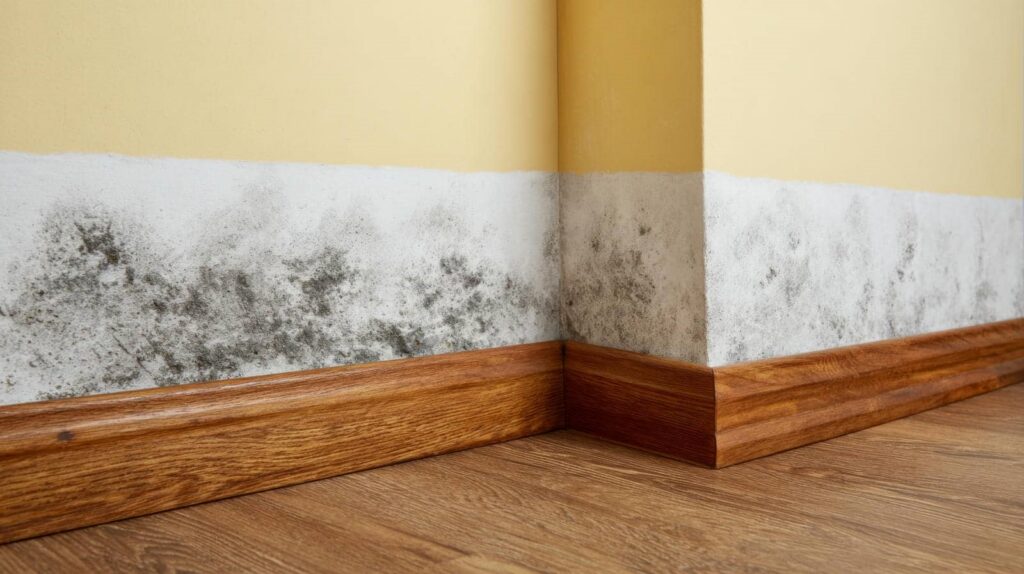
When flooding occurs, mold can become a serious concern if not addressed quickly. You need to act fast to prevent mold growth and protect your property. Start by identifying and removing the source of water, then dry the affected areas thoroughly. Understanding effective mold remediation methods and products for mold removal is essential. The steps you take now can make a significant difference in preventing future mold issues. What strategies should you prioritize first?
Key Takeaways
- Inspect your home thoroughly for water sources and address any leaks or moisture issues immediately to prevent mold growth.
- Start drying affected areas as soon as possible using industrial fans and dehumidifiers to reduce humidity levels below 60%.
- Ensure proper ventilation by opening windows and using exhaust fans to facilitate airflow and expedite drying.
- Clean mold-affected surfaces with EPA-approved solutions, wearing protective gear to avoid exposure to harmful spores.
- Monitor humidity levels consistently during the drying process and conduct regular inspections for signs of mold afterward.
Mold Removal: Identify the Source of Water and Remove It
When it comes to mold removal, identifying the source of water is essential, as moisture is the primary catalyst for mold growth.
You’ll want to thoroughly inspect your home for potential water sources, such as leaky pipes, roof leaks, or even condensation. Once you pinpoint these issues, you can take steps to eliminate them.
Effective moisture control is vital; without it, mold will continue to thrive. Consider using moisture barriers and ensuring proper ventilation in high-humidity areas.
Dry and Dehumidify Areas Fast
To effectively combat mold growth, it’s essential that you dry and dehumidify affected areas as quickly as possible.
Start by utilizing efficient ventilation techniques. Open windows and doors to promote air circulation, which helps reduce humidity levels. If the weather permits, exhaust fans can also be beneficial.
Next, deploy drying equipment, such as industrial fans and dehumidifiers. These tools considerably speed up the drying process, minimizing the risk of mold development.
Make sure to monitor humidity levels regularly, aiming for below 60%. Remember, the quicker you act, the better your chances of preventing mold from establishing itself.
Effective Methods and Products for Mold Removal
After you’ve dried and dehumidified the affected areas, it’s time to tackle the mold directly with effective removal methods and products.
Start by using EPA-approved cleaning solutions, such as a mixture of water and bleach, or commercial mold removers specifically designed for porous materials.
Make certain to wear protective gear, including gloves and masks, to safeguard yourself during the process.
To prevent mold, ensure proper ventilation and moisture control in the future.
After cleaning, consider applying a mold-resistant primer to surfaces, which can help inhibit future growth.
Regularly inspect your home for any signs of moisture or mold, and address issues promptly to maintain a safe and healthy environment for you and your loved ones.
Frequently Asked Questions
How Long Does It Take for Mold to Develop After Flooding?
Mold can start developing within 24 to 48 hours after flooding, depending on flood damage factors like moisture levels and temperature. Understanding this mold growth timeline helps you take timely action to prevent further issues.
Can I Handle Mold Removal Myself or Should I Hire a Professional?
You can tackle DIY mold removal, but if it’s extensive, hiring professional services might be smarter. Professionals ensure thoroughness, safety, and long-term prevention, while your efforts may lack the expertise needed for serious infestations.
What Health Risks Are Associated With Mold Exposure After Flooding?
Mold exposure after flooding can cause respiratory issues, skin irritation, and mold symptoms like coughing or sneezing. Long-term effects may include chronic respiratory problems or weakened immune response, impacting your overall health and well-being considerably.
Are There Any Natural Remedies for Mold Removal?
You’ll be amazed at how effective a vinegar solution or tea tree oil can be for mold removal! These natural remedies penetrate surfaces and inhibit growth, making them excellent choices for a healthier, mold-free environment.
How Can I Prevent Mold Growth in the Future?
You can prevent mold growth by implementing preventive measures like moisture control. Ensure proper ventilation, fix leaks promptly, and use dehumidifiers in damp areas to maintain low humidity levels and create an inhospitable environment for mold.
Wrap-Up
In the aftermath of flooding, swift and strategic action is essential to stave off stubborn mold. By swiftly sourcing and stopping water while simultaneously drying and dehumidifying the damp domains, you create a mold-free haven. Employ effective methods and products to cleanse contaminated surfaces and protect against future growth. Remember, prompt prevention and proactive procedures pave the way for a healthier home environment, ensuring that your space remains safe and sound amidst the chaos of water damage.