Many homeowners underestimate the long-term consequences of water damage, which can lead to serious structural issues and costly repairs. If you don’t act quickly, your property could become a breeding ground for mold, further complicating the situation. Implementing effective damage cleanup strategies is essential in mitigating these risks. What steps can you take to safeguard your home and guarantee its integrity?
Key Takeaways
- Quick cleanup prevents further complications, such as mold growth and structural damage, ensuring the safety of your home and family.
- Addressing water damage promptly minimizes repair costs and preserves belongings from permanent damage or loss.
- Effective cleanup strategies foster a sense of community by promoting proactive measures and shared responsibility among neighbors.
- Identifying and addressing the source of water intrusion is crucial to prevent recurring issues and long-term damage.
- Implementing moisture control and proper ventilation techniques accelerates drying, reducing the risk of mold and enhancing air quality.
Why Water Damage Cleanup Matters
When water damage occurs, quick and effective cleanup is essential to prevent further complications. You need to act fast to minimize damage and protect your home.
Ignoring water damage can lead to mold growth, structural issues, and increased repair costs. Understanding the cleanup importance is vital for preserving your living space and ensuring the safety of your family.
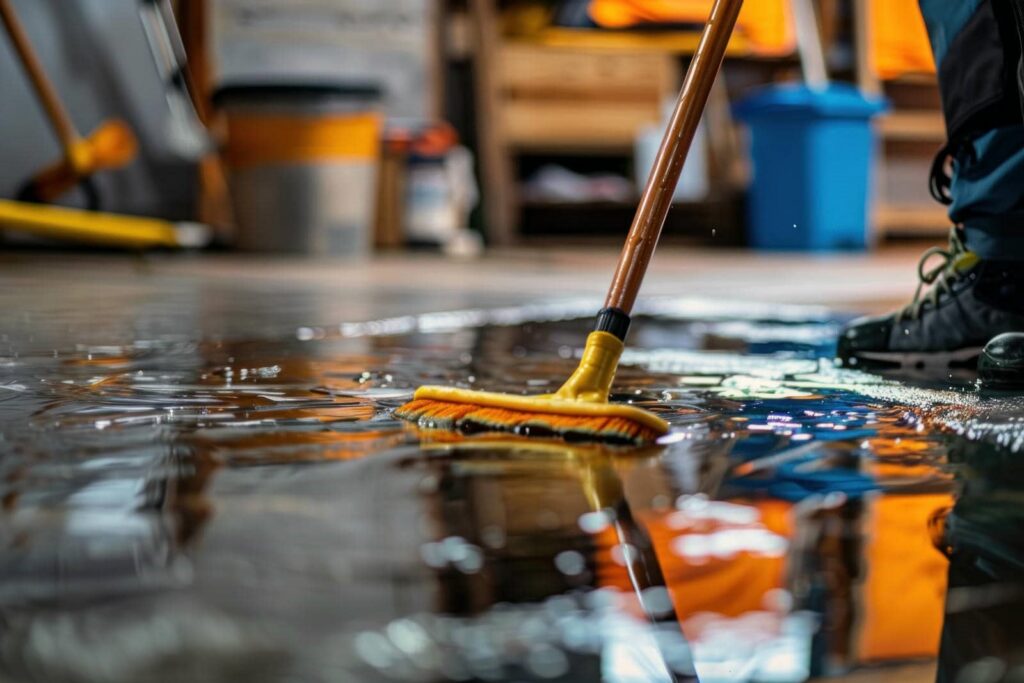
Begin by identifying the source of water intrusion; whether it’s a leak, flood, or appliance failure, addressing it immediately is key. Remove standing water using pumps or wet vacs, and dry affected areas with dehumidifiers and fans.
Implementing thorough cleanup strategies not only safeguards your property but also fosters a sense of belonging, knowing you’ve taken the right steps to restore your home.
Top 5 Reasons to Address Water Damage Quickly
Addressing water damage quickly is essential for several compelling reasons that can greatly impact your home and health.
First, swift action minimizes structural damage, allowing for effective flood restoration before the problem escalates.
Second, it prevents mold growth, which can pose serious health risks; controlling moisture is vital in this regard.
Third, quicker cleanup helps preserve your belongings, saving you from costly replacements.
Fourth, rapid response can lower repair costs considerably, keeping your budget intact.
Finally, addressing water damage promptly fosters a sense of community, as you’re taking proactive steps to protect not only your home but also your neighbors.
What Are the Best Ways to Mitigate Water Damage?
To effectively mitigate water damage, it’s essential to act swiftly and implement specific strategies tailored to the type and extent of the incident.
Start with a rapid response; shut off the water source and remove excess water using pumps or wet vacs.
Next, focus on moisture control by drying out affected areas using fans and dehumidifiers.
Inspect and remove damaged materials like drywall or carpeting to prevent mold growth.
Guarantee proper ventilation to expedite drying and consider using moisture meters to monitor levels.
Finally, regularly check for leaks and address any plumbing issues promptly.
Choosing the Right Water Damage Services
Choosing the right water damage services can greatly influence the outcome of your cleanup and restoration efforts. Start by conducting a service comparison among local providers.
Look for companies with proven expertise, certifications, and positive reviews from your community. A thorough cost analysis is essential; verify you understand what each service includes and any potential hidden fees.
Assess their response time, as prompt action can considerably minimize damage. Consider whether they offer 24/7 support, as emergencies don’t adhere to a schedule.
Also, inquire about their equipment and techniques, as advanced technology can enhance effectiveness. By taking these steps, you’ll feel confident in selecting a service that meets your needs and fosters a sense of security during a challenging time.
Preventing Future Water Damage: Tips and Best Practices
While water damage can strike unexpectedly, you can take several proactive steps to minimize its risk in your home or business.
Implementing effective prevention strategies is crucial. Here are some tips:
- Inspect and maintain drainage systems regularly to guarantee they function effectively and redirect water away from your property.
- Install moisture barriers in basements and crawl spaces to prevent water infiltration and protect against mold growth.
- Seal cracks and gaps in your foundation and walls to block water entry points.
- Monitor humidity levels using a hygrometer, and consider using dehumidifiers in high-moisture areas to maintain ideal conditions.
Frequently Asked Questions
How Can I Tell if My Property Has Hidden Water Damage?
Check for hidden leaks by inspecting walls and ceilings for discoloration or peeling paint. Use moisture detection tools to measure dampness in suspicious areas. A proactive approach helps you identify issues before they escalate.
What Insurance Covers Water Damage Cleanup Costs?
When a storm brews, your insurance coverage acts like an umbrella. It can shield you from water damage cleanup costs, but check your policy carefully. Flood insurance often requires separate coverage, so don’t get caught unprepared.
Can I Handle Water Damage Cleanup Myself?
You can handle water damage cleanup yourself with a DIY approach, but it often requires significant effort and expertise. Professional assistance guarantees thorough restoration, preventing mold and further damage, which might be worth considering for peace of mind.
How Long Does the Water Damage Cleanup Process Usually Take?
The cleanup timeline varies, often taking days to weeks. Restoration factors like damage extent, materials involved, and drying techniques influence duration. Engaging professionals can expedite this process, ensuring thorough and effective recovery for your space.
What Are the Signs of Mold Growth After Water Damage?
Look for discoloration, musty odors, or increased humidity. Different mold types, like black mold, pose serious health risks. If you notice these signs, act quickly to prevent further damage and protect your well-being.
Wrap-Up
In the end, addressing water damage quickly isn’t just a drop in the bucket; it’s essential for protecting your home and health. By implementing effective cleanup strategies, you can prevent costly repairs and safeguard against mold growth. Remember, it’s always better to be proactive than reactive. Don’t wait for the situation to worsen—take charge now and make certain your property remains safe and sound. Your timely actions today can save you from headaches tomorrow.