
Imagine discovering a flooded basement after a heavy rainstorm; the water damage cleanup could be extensive if not addressed quickly. To effectively manage this situation, you need a strategic approach that prioritizes safety and thoroughness. Identifying the damage, utilizing the right tools, and ensuring proper drying techniques are just the beginning. There’s much more to evaluate if you want to prevent future issues and restore your home to its original condition.
Key Takeaways
- Quickly identify and assess water damage by checking for stains, discoloration, and musty odors to determine the extent of the issue.
- Use submersible pumps and wet/dry vacuums for efficient water extraction, ensuring all standing water is removed promptly.
- Implement dehumidifiers and fans to promote drying and prevent mold growth after water extraction.
- Inspect structural integrity for damage, reinforcing or replacing compromised elements to ensure safety and stability.
- Schedule regular maintenance and inspections of roofing, gutters, and plumbing to prevent future water damage.
How to Identify Water Damage in Your Home?
How can you tell if your home has water damage? Start by checking for water stains on walls and ceilings; these often indicate leaks or moisture buildup.
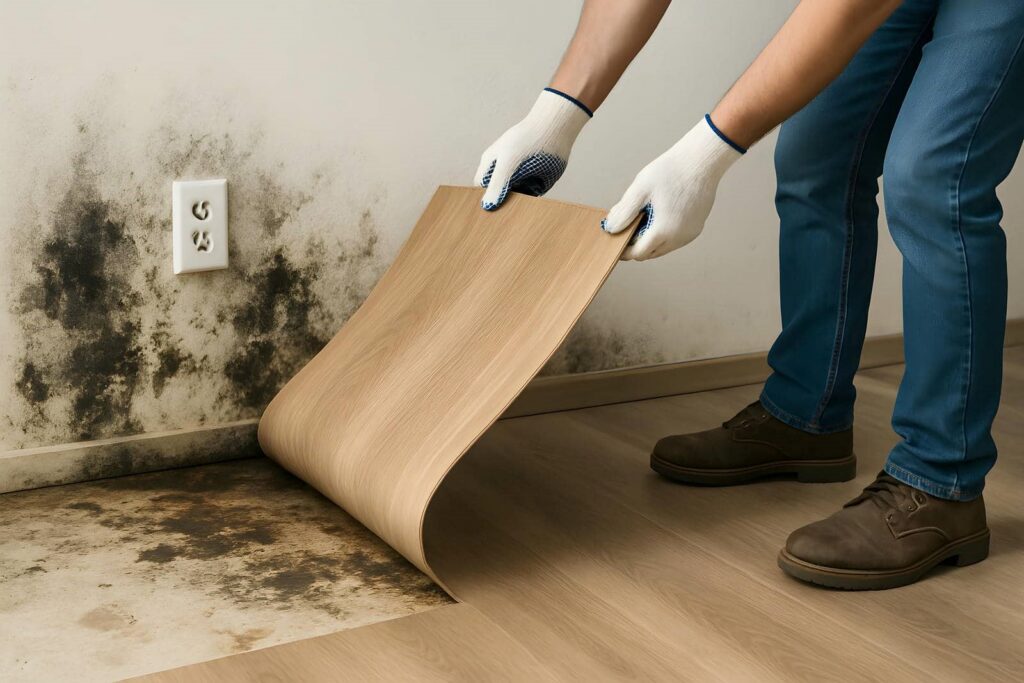
Look for discoloration, peeling paint, or bubbling wallpaper—these are clear signs something’s amiss. Next, pay attention to any musty odors; they can signal mold growth, which thrives in damp conditions.
Inspect areas around windows, doors, and plumbing fixtures, as these are common sources of leaks. Don’t forget to check your basement or crawl space, where water damage can be hidden.
If you notice any of these signs, it’s essential to address the issue promptly. Identifying water damage early helps maintain your home’s integrity and ensures a safe, comfortable living environment.
Safety First: Precautions Before Cleanup
Before you plunge into water damage cleanup, it’s crucial to prioritize safety to protect yourself and your property. Start by evaluating the situation; make certain the area is safe to enter.
Disconnect power sources to avoid electrical hazards—water and electricity don’t mix. Wear protective gear, including gloves, masks, and boots, to safeguard your personal safety against contaminants.
If there’s standing water, use a pump to remove it carefully, keeping emergency preparedness in mind. Make sure to have a first aid kit on hand, just in case.
Finally, consider notifying local authorities if the damage is extensive. Taking these precautions helps you stay safe and empowers you to tackle the cleanup process with confidence and assurance.
Gathering Essential Tools for Water Damage Cleanup
Before you start your water damage cleanup, gather the essential tools that will make the process efficient and effective.
You’ll need cleanup supplies like mops and buckets, safety gear to protect yourself, and specialized water extraction equipment to handle large volumes of water.
Having everything ready ensures you can tackle the situation promptly and safely.
Essential Cleanup Supplies
When tackling water damage cleanup, having the right supplies at your fingertips can make all the difference.
Start with heavy-duty trash bags to dispose of debris and damaged materials. You’ll need absorbent towels and mops for quick water extraction. A wet/dry vacuum is essential for sucking up excess moisture, while fans and dehumidifiers help dry out your space effectively.
Don’t forget a sturdy broom and dustpan for sweeping up any mess. Additionally, keep a bucket handy for any leftover water and cleaning solutions.
Having these cleanup supplies organized and accessible streamlines the process and fosters a sense of belonging as you work alongside others to restore your space. Your efforts will lead to a safer, healthier environment.
Safety Gear Necessities
As you gather your cleanup supplies, don’t overlook the importance of safety gear. Protecting yourself is vital when tackling water damage.
Start with durable protective gloves to shield your hands from contaminants and sharp debris. These gloves prevent cuts and safeguard against harmful chemicals that may be present in floodwater.
Next, grab a pair of safety goggles to protect your eyes from splashes and debris. Your vision is essential, and you don’t want to risk injury while you’re focused on the task at hand.
Don’t forget to wear sturdy boots with good traction; they’ll keep you steady on wet surfaces.
Water Extraction Equipment
A thorough toolkit is essential for effective water damage cleanup, ensuring you can tackle the task efficiently.
Start by selecting the right extraction machine types, such as submersible pumps for deep water and portable extractors for smaller areas. These machines employ advanced water removal techniques that speed up the process, allowing you to minimize damage and prevent mold growth.
Don’t forget to include wet/dry vacuums for tackling residual moisture in carpets and upholstery. Additionally, having industrial fans and dehumidifiers on hand will help dry out the space quickly.
Top Water Extraction Methods for Homeowners
When faced with water damage, efficiently removing standing water is essential to preventing further issues.
You’ll want to take into account using pumps for larger amounts of water, while wet/dry vacuums are ideal for smaller spills and residual moisture.
Each method has its strengths, so understanding their applications will help you act swiftly and effectively.
Pumping Out Standing Water
To effectively tackle standing water in your home, selecting the right extraction method is essential. One of the most efficient pumping techniques involves using a submersible pump.
These pumps can quickly remove large volumes of water, making them ideal for flooded areas. Position the pump in the deepest area of standing water, ensuring it’s connected to a discharge hose leading outside.
For smaller amounts of water, consider using a sump pump or a utility pump, which are also effective in draining excess moisture. Always monitor the water level as you pump, as draining too quickly can cause structural damage.
Using Wet/Dry Vacuums
While dealing with water damage, using a wet/dry vacuum can be one of the most practical solutions for homeowners.
These versatile tools offer significant wet/dry vacuum benefits, allowing you to tackle both liquid and solid debris efficiently. Start by ensuring you have the right attachments for effective suction techniques, targeting corners and tight spaces where water tends to accumulate.
Move the vacuum slowly across affected areas to maximize water extraction, and remember to empty the container regularly to maintain suction power.
After you’ve removed the bulk of the water, follow up with fans and dehumidifiers to help prevent mold growth.
With the right approach, a wet/dry vacuum can be your ally in restoring your home quickly and effectively.
Best Practices for Drying Water-Damaged Areas
Effective drying of water-damaged areas requires a systematic approach to prevent further complications like mold growth and structural damage. Start by removing any standing water using wet/dry vacuums.
Next, implement dehumidifying techniques such as placing dehumidifiers in impacted spaces to lower humidity levels. Ascertain proper air circulation by opening windows and using fans strategically. This helps to evaporate moisture trapped in walls and floors.
Monitor the drying process with moisture meters to verify effectiveness. Additionally, consider using air movers to enhance airflow in hard-to-reach areas.
How to Identify and Remove Mold After Water Damage?
After water damage occurs, it’s essential to identify and remove mold promptly to prevent health risks and further property damage.
Here are some effective mold identification techniques and removal methods:
- Visual Inspection: Check for dark spots or discoloration on walls, ceilings, and floors.
- Smell: A musty odor often indicates mold presence, even if it’s not visible.
- Moisture Detection: Use moisture meters to identify damp areas where mold could thrive.
- Professional Testing: If in doubt, consider hiring experts for air and surface sampling.
Once identified, mold removal methods include scrubbing surfaces with mold-killing solutions, disposing of contaminated materials, and ensuring proper ventilation to prevent recurrence.
Being proactive is key to protecting your home and health.
Fixing Water-Damaged Structures
Addressing mold is just one step in restoring your home after water damage; fixing the affected structures is equally important.
First, assess the damage to ensure your home’s structural integrity remains intact. Check beams, walls, and flooring for signs of rot or weakness. If any structural elements are compromised, replace or reinforce them to maintain safety and stability.
Next, install moisture barriers in areas prone to dampness, like basements and crawl spaces, to prevent future issues. Proper sealing protects your home and enhances energy efficiency.
Signs You Need Professional Water Damage Restoration Services?
When water damage strikes, knowing the signs that you need professional restoration services can save you time, money, and further complications.
Here are some key indicators of damage that warrant an emergency response:
- Visible Mold Growth: If you see mold, it’s a sign of lingering moisture.
- Persistent Odors: Unpleasant musty smells indicate hidden dampness.
- Water Stains: Discoloration on walls or ceilings suggests water infiltration.
- Structural Damage: Warping or sagging floors and walls signal serious issues.
Recognizing these signs early can prevent further damage and costly repairs.
Don’t hesitate to reach out for professional help if you notice any of these indicators. Your home deserves the best care, and timely action is essential.
Preventing Future Water Damage: Essential Maintenance Tips
To prevent future water damage, regular maintenance is vital in safeguarding your home’s integrity.
Start with regular inspections of your roof, gutters, and downspouts to verify they’re free from debris. Clogged gutters can lead to overflow, causing water to seep into your home.
During seasonal maintenance, check for leaks around windows and doors, and replace any worn weather stripping. Don’t forget to inspect plumbing fixtures and appliances for signs of wear and tear.
Additionally, consider installing a sump pump in your basement to manage excess water.
Frequently Asked Questions
How Long Does Water Damage Cleanup Typically Take?
Water damage cleanup typically takes one to three days, depending on the cleanup timeline and restoration factors like severity, materials affected, and drying methods. You’ll want to assess these elements for accurate estimates.
Can I Use My Home Insurance for Water Damage Cleanup Costs?
Sure, you can use your home insurance for water damage cleanup costs, but don’t expect a magic wand! Navigate the claim process carefully, and check your insurance coverage details to avoid surprises later.
What Are the Health Risks of Untreated Water Damage?
Untreated water damage poses serious health risks, including mold growth and bacterial contamination. You’re creating contaminated environments that can lead to respiratory issues, allergies, and infections, so addressing water damage promptly is essential for your well-being.
How Can I Prevent Mold Growth After Water Damage?
Think of your home as a garden; without care, weeds—like mold—thrive. To prevent mold growth, focus on moisture control. Use dehumidifiers, fix leaks, and ensure proper ventilation, following these mold prevention tips diligently.
Is It Safe to Stay in My Home During Cleanup?
It’s generally not safe to stay in your home during cleanup. Conduct a thorough home assessment to ensure water safety, as lingering moisture can pose hazards, including mold and structural damage. Prioritize your health.
Conclusion
In the battle against water damage, you’re the vigilant guardian of your home, armed with knowledge and the right tools. By swiftly identifying issues and employing effective cleanup strategies, you can restore your space and peace of mind. Remember, maintaining vigilance today prevents future storms from wreaking havoc. Just as a well-tended garden flourishes, so too will your home thrive when you nurture it with care and proactive measures against water damage.