
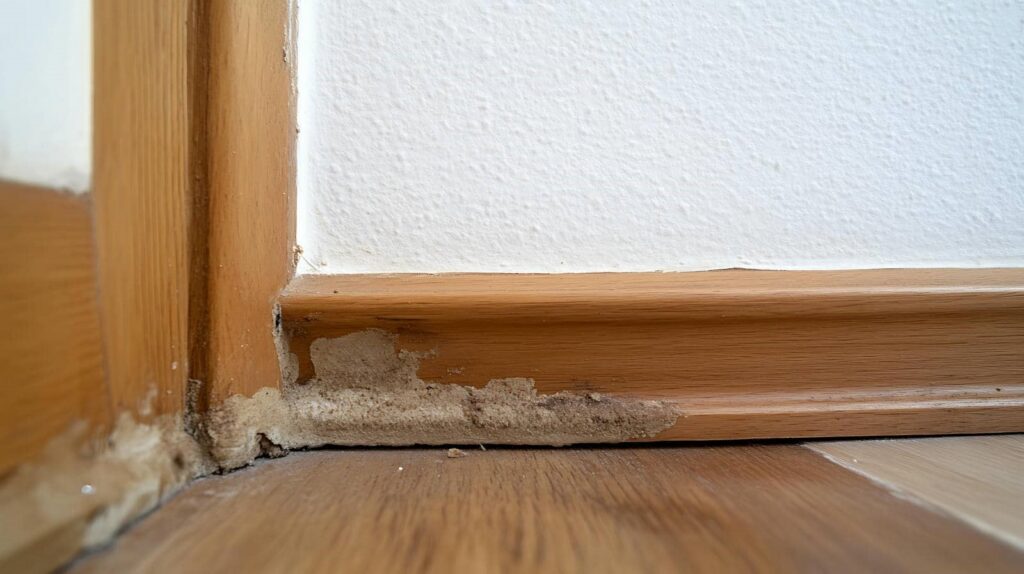
You might think that evaluating water damage can wait, but quick action is essential to prevent further issues. Start with a thorough inspection to identify visible signs and hidden sources of water intrusion. Knowing what to look for and how to protect yourself can save you time and money. Let’s explore the key steps you need to take to effectively manage these emergencies and safeguard your home.
Key Takeaways
- Check for water stains on walls, ceilings, and floors to identify visible damage.
- Inspect plumbing fixtures and seals for leaks or deterioration.
- Look for musty odors, indicating potential mold growth in affected areas.
- Document damage with clear photographs and a list of affected items.
- Shut off water and utilities to prevent further damage and hazards.
How to Identify Water Damage Quickly?
When you suspect water damage, it’s essential to act fast. Start by checking for water stains on ceilings, walls, and floors. These often indicate moisture issues needing your attention.
Look closely; sometimes, hidden leaks lurk behind appliances or under sinks, causing damage you mightn’t notice right away. Pay attention to any musty odors, as they can signal mold growth due to prolonged moisture exposure.
You should also inspect your plumbing fixtures and seals for signs of wear or deterioration. If you notice any discoloration or bubbling in paint or drywall, it’s a clear warning sign.
How to Stay Safe During Water Damage Emergencies?
Experiencing water damage can be overwhelming, but safety should always come first. Before you enter a water-damaged area, make certain you have safety precautions in place.
Disconnect electricity to avoid shocks and wear protective gear like gloves and boots. If possible, shut off your water supply to prevent further issues.
Gather your emergency supplies, including a flashlight, first aid kit, and a phone for communication. If the situation feels unsafe, evacuate immediately and contact professionals.
Remember to keep children and pets away from the affected area. By prioritizing safety and being prepared, you can navigate water damage emergencies more effectively and guarantee everyone’s well-being.
Stay calm, act wisely, and you’ll manage the situation better.
Evaluating the Extent of Water Damage
To effectively evaluate the extent of water damage, start by examining visible signs such as stains, warping, or mold growth.
Identify the water type clean, gray, or black as this will influence the damage timeline and necessary remediation steps.
Check areas like ceilings, walls, and floors for discoloration or softness, indicating deeper issues.
Don’t forget to inspect hidden spaces, like behind appliances or under carpets, where damage may lurk out of sight.
Assess the structural integrity of your property, noting any compromised supports.
Document your findings thoroughly, as this will help you convey the situation to professionals later.
Assessing the Source of Water Intrusion
After evaluating the visible water damage, it’s important to pinpoint the source of water intrusion.
Start by checking areas where water entry is common, like around windows, doors, and plumbing fixtures. Look for signs of leaks, such as damp spots or mold growth.
Inspect your roof and gutters for potential blockages or damages that could allow water to seep in. Pay attention to the basement or crawl spaces, as these can often be overlooked.
If you notice any unusual odors or changes in the structure, these could indicate hidden sources.
Effective source identification won’t only help you stop the problem but also prevent future issues, ensuring a safer and more comfortable living environment for you and your family.
How to Document Damage for Your Insurance Claim?
As you prepare to file an insurance claim, documenting the damage accurately is essential for a smooth process.
Start with clear photographs of affected areas, ensuring you capture various angles and details. Use video to create a detailed view of the extent of the damage.
Keep a meticulous list of damaged items, including descriptions, purchase dates, and estimated values. If possible, gather receipts or proof of ownership as additional documentation methods.
Don’t forget to note any water intrusion sources, as this can support your claim.
Finally, organize all your documentation neatly to streamline the claim process, making it easier for your adjuster to evaluate your situation.
Being thorough now will help you feel more secure during this challenging time.
Quick Actions to Prevent Further Damage
When water damage strikes, quick action is vital.
Start by shutting off utilities to prevent electrical hazards, then remove any wet items to minimize damage.
Finally, dry the affected areas thoroughly to avoid mold growth and further complications.
Shut Off Utilities
To prevent further damage in the event of water intrusion, you must act quickly by shutting off utilities.
Begin by locating your main water shutoff valve. Turn it off to stop the flow of water.
Next, disconnect electricity by switching off the main breaker. This step’s essential for your safety, especially if water’s near electrical outlets.
Follow emergency protocols by turning off gas lines if you smell gas or hear hissing sounds.
Utility disconnection minimizes risks and protects your home from additional harm.
Remember, every second counts, so don’t hesitate.
Remove Wet Items
Act quickly to remove wet items from the affected area. This step is essential to prevent further damage to your belongings.
Start by evaluating the situation and prioritize what needs to be taken out immediately. Wet furniture and damaged belongings can lead to mold growth and structural issues if not addressed promptly.
Here are some key items to focus on:
- Sofas and chairs
- Rugs and carpets
- Clothing and textiles
- Electronics and appliances
- Books and paperwork
Dry Affected Areas
Start drying the affected areas immediately to minimize further damage. Use effective drying techniques like fans, dehumidifiers, or even open windows to promote air circulation.
Focus on places where moisture can linger, such as carpets, walls, and furniture.
Check for hidden moisture in corners and behind appliances; don’t overlook these spots. If possible, remove soaked materials to enhance moisture control. Aim to keep humidity levels low to prevent mold growth.
Regularly monitor the situation and adjust your drying approach as needed. By acting quickly and efficiently, you’ll protect your space and foster a sense of belonging within your community.
When to Call a Professional Water Damage Restoration Service?
If you notice signs of severe damage, like warped walls or buckling floors, it’s time to call a professional.
Extensive water accumulation can lead to more serious issues, and you shouldn’t wait too long to address it.
Additionally, if mold growth starts to appear, don’t hesitate—experts can handle the situation effectively.
Signs Of Severe Damage
Recognizing the signs of severe water damage is essential for preventing further issues in your home. If you notice any of the following, it’s time to call a professional water damage restoration service:
- Water stains on walls or ceilings
- Mold growth in corners or hidden areas
- Structural weakness in floors or walls
- A persistent musty odor throughout your space
- Peeling paint or wallpaper
Ignoring these signs can lead to more extensive damage and costly repairs.
Don’t hesitate to reach out for help if you detect any of these issues. Quick action can save your home and give you peace of mind, knowing you’re taking the right steps to protect your living environment.
Extensive Water Accumulation
When extensive water accumulation occurs, it’s vital to act swiftly to mitigate damage. If you find yourself facing a flooded basement, don’t hesitate to reach out for help.
Standing water can lead to significant structural issues and safety hazards. An emergency response team specializes in evaluating the situation and implementing effective water removal strategies.
When you notice water levels rising or if you’re unsure how to handle the situation, calling a professional service is essential. They’ve the right equipment and expertise to tackle extensive water damage, ensuring your home is safe and secure.
Mold Growth Concerns
After addressing extensive water accumulation, the next pressing concern is mold growth. It thrives in damp environments and can pose significant health risks, such as respiratory issues and allergic reactions. Knowing when to call a professional water damage restoration service is essential.
Consider reaching out if you notice:
- Visible mold types (black, green, or white)
- Musty odors in the air
- Water-damaged walls or ceilings
- Persistent health symptoms in your household
- Large areas of affected material
Acting quickly can help prevent further damage and safeguard your health.
If you’re unsure about the extent of mold growth, don’t hesitate to consult an expert who can assess the situation and provide necessary remediation. Your well-being is worth it!
Frequently Asked Questions
What Are the Common Signs of Hidden Water Damage?
You’ll notice common signs of hidden water damage, like damp walls and discolored patches. Check for leaky pipes behind fixtures, basements, or under sinks. Addressing these issues early can save you from costly repairs later.
How Long Does It Take for Water Damage to Show?
Water damage can start showing within hours, but the full timeline often stretches weeks. Look for early signs like damp spots or mold; catching these clues early helps you prevent bigger issues down the road.
Can I Handle Water Damage Cleanup Myself?
Yes, you can handle water damage cleanup yourself, but make certain you follow safety measures. Prioritize water extraction to prevent mold growth, and always wear protective gear to safeguard yourself during the process.
What Types of Insurance Cover Water Damage?
Homeowners insurance typically covers water damage from burst pipes or leaks, while flood insurance protects against damage from rising water. Check your policy details to verify you’re adequately covered for potential water-related issues.
How Do I Prevent Mold After Water Damage?
To prevent mold after water damage, act quickly. Dry affected areas within 24-48 hours, use dehumidifiers for moisture control, and guarantee good ventilation. Follow these mold prevention tips for a healthier environment.
To Sum Up
In emergencies, a quick water damage inspection is as essential as a lifeline in a storm. By following this checklist, you can swiftly assess the situation, guarantee your safety, and minimize damage. Remember to document everything for your insurance claim and act quickly to prevent further issues. If the damage is extensive, don’t hesitate to call a professional service. Your prompt actions can make all the difference in restoring your space and peace of mind.