
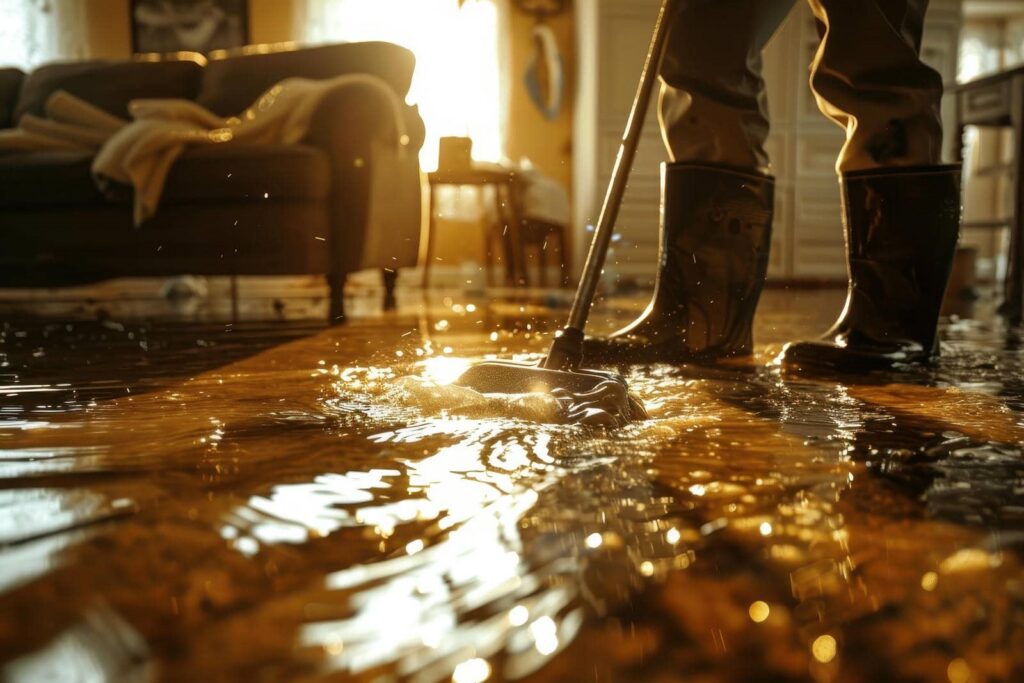
Water damage can severely impact your property and health if not addressed promptly. You need to assess the moisture levels accurately to pinpoint the source and extent of the damage. Employing industrial vacuums and dehumidifiers can effectively extract water and eliminate lingering moisture. However, it’s essential to develop a targeted action plan. Understanding these strategies will guarantee you tackle water damage cleanup efficiently and safeguard your property. What steps will you take next?
Key Takeaways
- Conduct a thorough moisture assessment to identify the source and extent of water damage for effective cleanup.
- Utilize suction pumps and industrial vacuums for efficient water extraction from affected areas.
- Implement dehumidifiers after extraction to eliminate remaining moisture and prevent mold growth.
- Develop a targeted action plan based on findings to prioritize affected areas and document the process.
- Regularly inspect plumbing and roofing to prevent future water damage and maintain equipment.
Understanding Water Damage Effects
Water damage can wreak havoc on your property, leading to structural issues and health risks. Understanding the various water damage types such as clean, gray, and black water—is essential for effective remediation. Each type presents unique challenges and necessitates specific cleanup strategies.
Conducting a thorough moisture assessment helps you identify the extent of the damage. You’ll want to check areas like walls, ceilings, and flooring for hidden moisture that could lead to mold growth. By prioritizing these assessments, you can pinpoint affected areas and develop a targeted action plan.
Recognizing the implications of water damage not only protects your investment but also safeguards your health and well-being, fostering a sense of belonging in a safe and secure environment.
How to Find Out What’s Causing Water Damage?
How can you accurately identify the source of water damage in your property? Begin with a thorough moisture assessment.
Check areas where plumbing runs, including walls, ceilings, and floors. Use leak detection tools, such as moisture meters, to pinpoint high humidity levels.
Inspect appliances, faucets, and toilets for leaks, as these are common culprits. Don’t overlook your roof and foundation; water can seep in unnoticed through cracks or damaged shingles.
If you notice water stains, trace them back to their origin, as this often reveals the source. Document your findings for future reference, as a methodical approach guarantees you tackle the issue effectively.
Identifying the cause is essential for preventing further damage and restoring your property.
Effective Water Extraction Techniques for Water Damage Recovery
When tackling water damage recovery, effective water extraction techniques are essential to minimizing further harm to your property.
To guarantee a thorough process, you should consider the following methods:
- Suction Pumps: These devices efficiently remove standing water, especially from lower areas.
- Industrial Vacuums: Designed for heavy-duty tasks, they can handle large volumes of water quickly.
- Wet/Dry Vacuums: Versatile and portable, perfect for smaller spaces and detailed cleanup.
- Dehumidifiers: Essential in eliminating moisture post-extraction, helping to prevent mold growth.
Utilizing these techniques systematically can greatly enhance your recovery efforts, allowing you to restore your space effectively.
Frequently Asked Questions
How Long Does It Take to Dry Out After Water Damage?
It typically takes 3 to 5 days to dry out after water damage, depending on the severity. Utilizing effective drying equipment accelerates the drying process, ensuring your space returns to normal quickly and efficiently.
Will Insurance Cover My Water Damage Cleanup Costs?
Insurance often covers water damage cleanup costs, but it depends on your policy’s coverage limits and specific circumstances. You’ll want to file prompt insurance claims to guarantee you receive the benefits you deserve.
Can I Handle Water Damage Cleanup Myself?
You can handle water damage cleanup yourself with proper planning. Make certain you have all the required equipment, like pumps and dehumidifiers, for an effective DIY cleanup. Just remember, safety should always be your top priority.
What Are the Health Risks of Water Damage?
Water damage can be like a hidden predator, lurking and causing harm. You’re at risk for mold growth and respiratory issues, which can lead to long-term health problems if not addressed promptly and thoroughly.
How Can I Prevent Future Water Damage?
To prevent future water damage, guarantee your drainage systems are clear and functioning properly. Implement waterproofing techniques on vulnerable areas, like basements and foundations, to create a resilient barrier against potential water intrusion.
Wrap-Up
In the aftermath of water damage, the contrast between a thriving home and a damp, mold-infested space is stark. By conducting thorough moisture assessments, employing industrial vacuums, and creating targeted action plans, you can reclaim your property from the brink of despair. Each step you take not only accelerates recovery but also protects your health and future. Don’t let water damage dictate your home’s story; take control and restore your sanctuary to its former glory.