
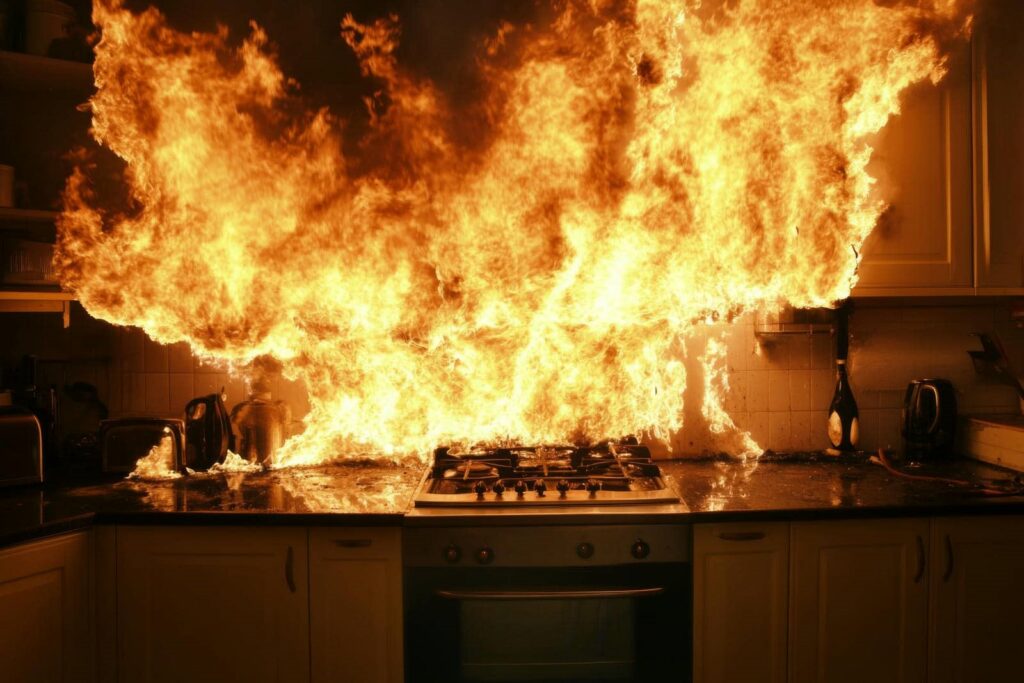
When it comes to smoke odor elimination, understanding its causes and characteristics is vital. Smoke can cling to surfaces and permeate the air, making removal challenging. Immediate action is often necessary to mitigate the effects. From effective cleaning techniques to tools that can help, there are several strategies you can implement. But what if common methods don’t work? Exploring professional options and preventive measures might be your next step.
Key Takeaways
- Ventilate the area by opening windows and doors to allow fresh air to circulate and dilute smoke odors.
- Use a mixture of vinegar and water to wipe surfaces, effectively neutralizing lingering smoke smells.
- Sprinkle baking soda on carpets and upholstery, letting it sit before vacuuming to absorb odors.
- Invest in a HEPA vacuum and air purifiers with activated carbon filters to capture smoke particles and improve air quality.
- Consider professional odor removal services for deeply embedded smoke smells, ensuring thorough and effective elimination.
Understanding Smoke Odor: Causes and Characteristics
Smoke odor is a persistent and unpleasant problem that often lingers long after the source has been removed. Understanding the smoke sources is essential to addressing the issue effectively.
Common culprits include tobacco, cooking, or even wildfires, each introducing unique compounds that contribute to odor persistence. These particles can settle into fabrics, walls, and other surfaces, making them difficult to eliminate.
The chemical nature of smoke makes it particularly resilient, often requiring more than just surface cleaning to fully eradicate the smell. Recognizing the impact of smoke on your environment helps you take the necessary steps to reclaim your space.
Immediate Cleaning Steps for Smoke Odor Removal
When faced with smoke odor, taking immediate action can greatly reduce its impact on your environment.
Here are three quick fixes you can implement right away:
Ventilate the Space: Open windows and doors to let fresh air circulate. This immediate action helps dilute the smoke odor.
Wipe Surfaces: Use a mixture of water and vinegar to wipe down surfaces. This practical step can neutralize lingering smells on furniture and walls.
Use Baking Soda: Sprinkle baking soda on carpets and upholstery. Let it sit for several hours before vacuuming. This simple fix absorbs odors effectively.
Must-Have Tools for Removing Smoke Odor Effectively
Removing smoke odor effectively requires the right tools at your disposal.
First, invest in quality cleaning equipment like a HEPA vacuum to capture tiny particles that contribute to lingering odors. You’ll also need microfiber cloths for wiping surfaces without leaving residue.
Odor neutralizers are essential; look for enzymatic cleaners that break down smoke particles rather than just masking the smell. An ozone generator can be a powerful ally in eliminating stubborn odors from enclosed spaces.
Finally, don’t underestimate the importance of air purifiers with activated carbon filters, which help clear the air long after the cleaning is done.
With these tools in hand, you’ll be well-equipped to tackle smoke odor and create a fresher, more inviting environment.
How to Clean Surfaces Affected by Smoke
When cleaning surfaces affected by smoke, having the right supplies is vital for effective odor removal.
You’ll want to follow a step-by-step process to ensure every residue is addressed.
This guide will help you gather essential cleaning supplies and outline the best practices for restoring your space.
Essential Cleaning Supplies Needed
To effectively tackle smoke odor on surfaces, you’ll need a few essential cleaning supplies that can neutralize both the smell and residue.
Having the right tools will make the process smoother and more efficient.
Odor Neutralizers: Look for products specifically designed to eliminate smoke odors, such as enzyme-based sprays.
All-Purpose Cleaning Agents: Choose a powerful cleaner that can cut through grime and residue left by smoke, ensuring a thorough clean.
Microfiber Cloths: These are perfect for trapping particles and applying cleaning agents without scratching surfaces.
With these supplies at hand, you’re well-prepared to address smoke damage effectively.
Step-by-Step Cleaning Process
Cleaning surfaces affected by smoke odor requires a systematic approach to confirm all traces of the smell and residue are eliminated.
Start by gathering your cleaning supplies, including vinegar, baking soda, and specialized cleaners. First, ventilate the area by opening windows.
Next, use a vacuum with a HEPA filter to remove loose particles. For hard surfaces, apply your cleaning solution using effective cleaning techniques like scrubbing with a microfiber cloth.
Don’t forget to treat textiles—wash or steam clean curtains, and use baking soda on carpets for odor prevention.
Finally, wipe down all surfaces again to confirm no residue remains. Regular maintenance will keep smoke odors at bay, making your space inviting and comfortable for everyone.
Using Air Purifiers to Reduce Smoke Odor
Although smoke odors can linger stubbornly in your home, using air purifiers equipped with HEPA filters and activated carbon can greatly improve indoor air quality.
These devices are vital for tackling smoke residue, but it’s important to choose the right air purifier types and maintain them properly.
Here are three key steps to effectively reduce smoke odor:
Select the Right Model: Look for air purifiers specifically designed to handle smoke particles.
Regular Filter Maintenance: Change HEPA and carbon filters according to the manufacturer’s instructions to ensure peak performance.
Position Wisely: Place your air purifier in high-traffic areas or near sources of smoke for maximum effectiveness.
With these strategies, you can create a fresher, more inviting home environment.
Other Natural Methods for Smoke Odor Removal
If you’re looking for natural ways to eliminate smoke odors, consider using a vinegar and water solution, baking soda, or essential oils.
Each of these methods offers a practical approach to neutralizing unwanted scents without harsh chemicals.
Vinegar and Water Solution
To effectively tackle smoke odors in your space, a vinegar and water solution serves as a powerful natural remedy. The vinegar benefits are numerous, especially when it comes to odor elimination. Its cleaning effectiveness is unmatched, making it a go-to choice for many.
Here’s how to use it:
- Mix: Combine one part vinegar with one part water in a spray bottle.
- Spray: Lightly mist the affected areas, like furniture and curtains.
- Air Out: Allow the solution to sit for 15-30 minutes, then ventilate the space.
This simple method neutralizes smoke odors and leaves your environment feeling fresher and cleaner. Embrace this solution as part of your smoke odor removal arsenal!
Baking Soda Absorption Technique
When it comes to eliminating smoke odors, the baking soda absorption technique stands out as a highly effective method. This natural substance excels at odor neutralization, making it an ideal choice for tackling persistent smoke smells.
Simply sprinkle baking soda liberally on affected surfaces, such as carpets or upholstery, and let it sit for several hours or overnight. The longer it remains, the better it absorbs unwanted odors.
Once you’re ready, vacuum up the baking soda to reveal fresher, cleaner spaces. You might also place open containers of baking soda in corners or cabinets where odors linger.
Essential Oils Diffusion
After employing baking soda to absorb smoke odors, consider enhancing your space with essential oils diffusion as another natural method for smoke odor removal.
Essential oils provide a pleasant scent and help neutralize lingering odors. Here are three effective diffusion methods you can try:
Essential Oil Diffuser: Use a diffuser to disperse your favorite essential oils like lavender or eucalyptus throughout the room.
Cotton Balls: Soak cotton balls in essential oils and place them in strategic areas to release fragrance gradually.
DIY Spray: Combine essential oils with water in a spray bottle to create a revitalizing air mist that combats smoke odors.
Should You Call the Pros for Smoke Odor Removal?
Wondering whether to tackle smoke odor removal yourself or call in the professionals? It’s a common dilemma.
While DIY methods might seem cost-effective, they often fall short in effectively eliminating persistent odors. Professional services can provide specialized techniques and equipment that ensure thorough removal, saving you time and frustration.
However, consider the cost considerations—hiring experts can be an investment, but it may ultimately save you money by preventing further damage or the need for repeat treatments.
If the smoke odor is deeply embedded or widespread, calling in the pros could be your best bet. Weigh your options carefully and choose the solution that aligns with your needs and budget for a fresh, inviting space.
Preventive Tips for Effective Smoke Odor Removal
Effective smoke odor removal starts long before the first whiff of smoke infiltrates your space.
By implementing preventive measures, you can greatly reduce the risk of persistent odors. Here are three key strategies:
Improve Home Ventilation: Confirm your living areas have adequate airflow. Open windows and use exhaust fans to help dissipate smoke quickly.
Designate Smoking Zones: If you smoke, create an outdoor area away from your home. This keeps smoke from settling into your indoor spaces.
Regular Cleaning: Frequently wash fabrics and surfaces that may absorb smoke, like curtains and upholstery. This helps maintain a fresh environment.
Long-Term Tips for a Smoke-Free Home
To maintain a smoke-free home over the long term, it’s essential to adopt a multifaceted approach that addresses both the sources of smoke and the lingering odors.
Start by improving your air quality with HEPA air purifiers to capture smoke particles. Regularly change your HVAC filters and keep windows open when possible to enhance ventilation.
For smell prevention, designate smoking areas away from your home and encourage guests to keep doors closed. Clean surfaces and fabrics frequently with odor-neutralizing solutions to combat any residual smells.
Consider using natural deodorizers, like baking soda or activated charcoal, to absorb unwanted odors.
Frequently Asked Questions
Can Smoke Odor Affect My Health Long-Term?
Yes, smoke odor can have long-term effects on your health. It may cause respiratory issues, leading to persistent coughing or asthma. Reducing exposure is essential for protecting your lungs and overall well-being. Stay vigilant.
How Quickly Can Smoke Odor Return After Cleaning?
Smoke odor can creep back in quickly, often within days, if restoration techniques aren’t thorough. Odor persistence depends on surfaces and materials, so make certain you tackle every corner to maintain a fresh, welcoming space.
Are There Specific Materials That Trap Smoke Odor More?
Yes, certain odor absorbing materials like activated charcoal and baking soda effectively trap smoke odors. Additionally, smoke neutralizing products can further enhance your efforts in reclaiming your space from persistent smells, ensuring a more pleasant environment.
Does Smoke Odor Removal Differ Between Types of Smoke?
Yes, smoke odor removal differs. Cigarette smoke clings to surfaces more stubbornly due to its chemicals, while wood smoke tends to disperse. You’ll need tailored approaches for effective elimination based on the smoke type.
Can Pets Contribute to Smoke Odor Issues in My Home?
Yes, pets can exacerbate smoke odor issues. Their habits, like rolling on carpets, allow odor absorption, trapping unwanted smells. Addressing pet-related factors is essential for a fresher, more inviting home environment for everyone.
Review
In the battle against smoke odor, you’re armed with effective strategies that blend immediate action and long-term solutions. Picture fresh air swirling through your home, carrying away stubborn scents, while vinegar and baking soda work their magic on surfaces. With HEPA vacuums and air purifiers at your side, you’re eliminating odors and reclaiming your space. By staying proactive and knowing when to seek professional help, you can create a sanctuary free from the lingering grasp of smoke.